
 Pin It
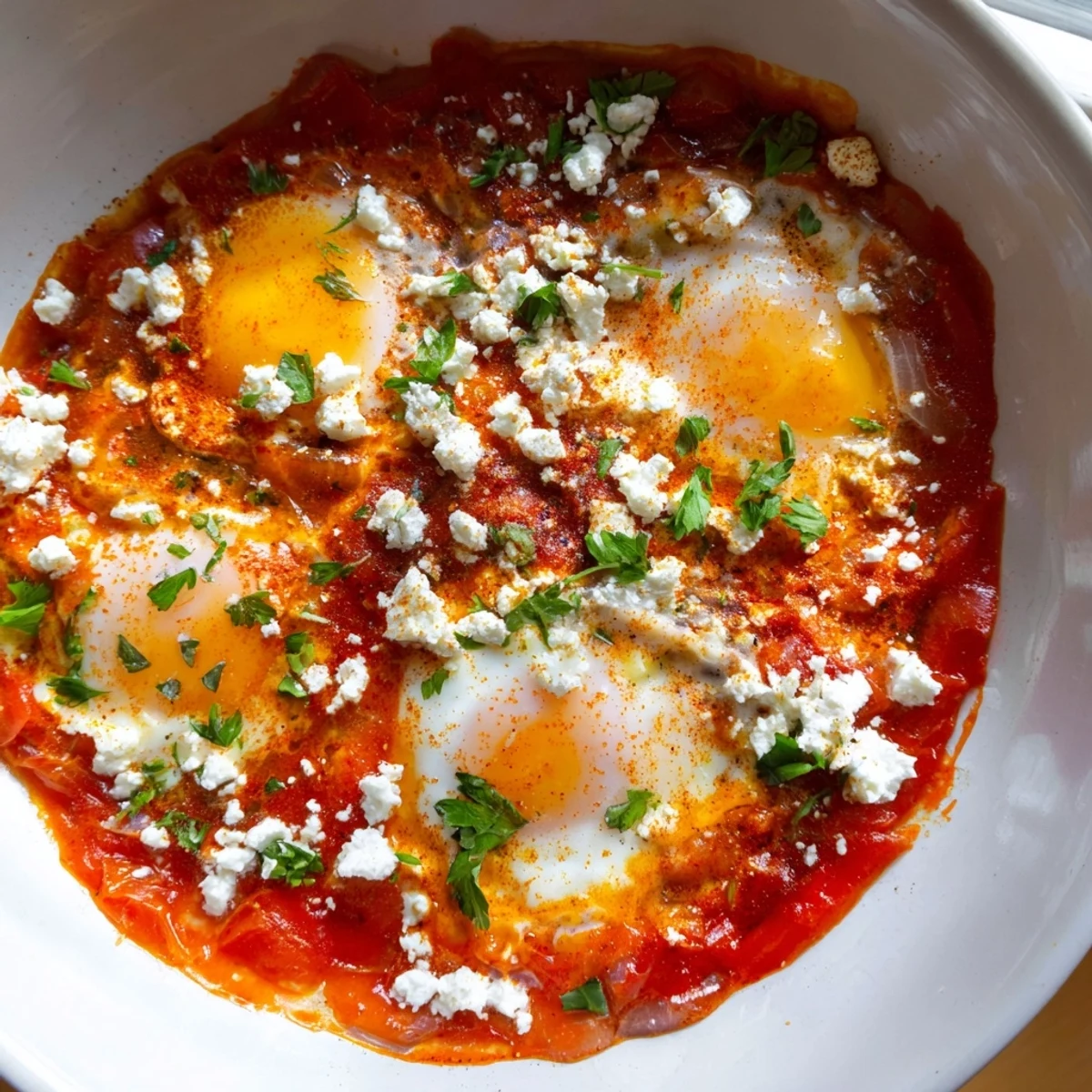
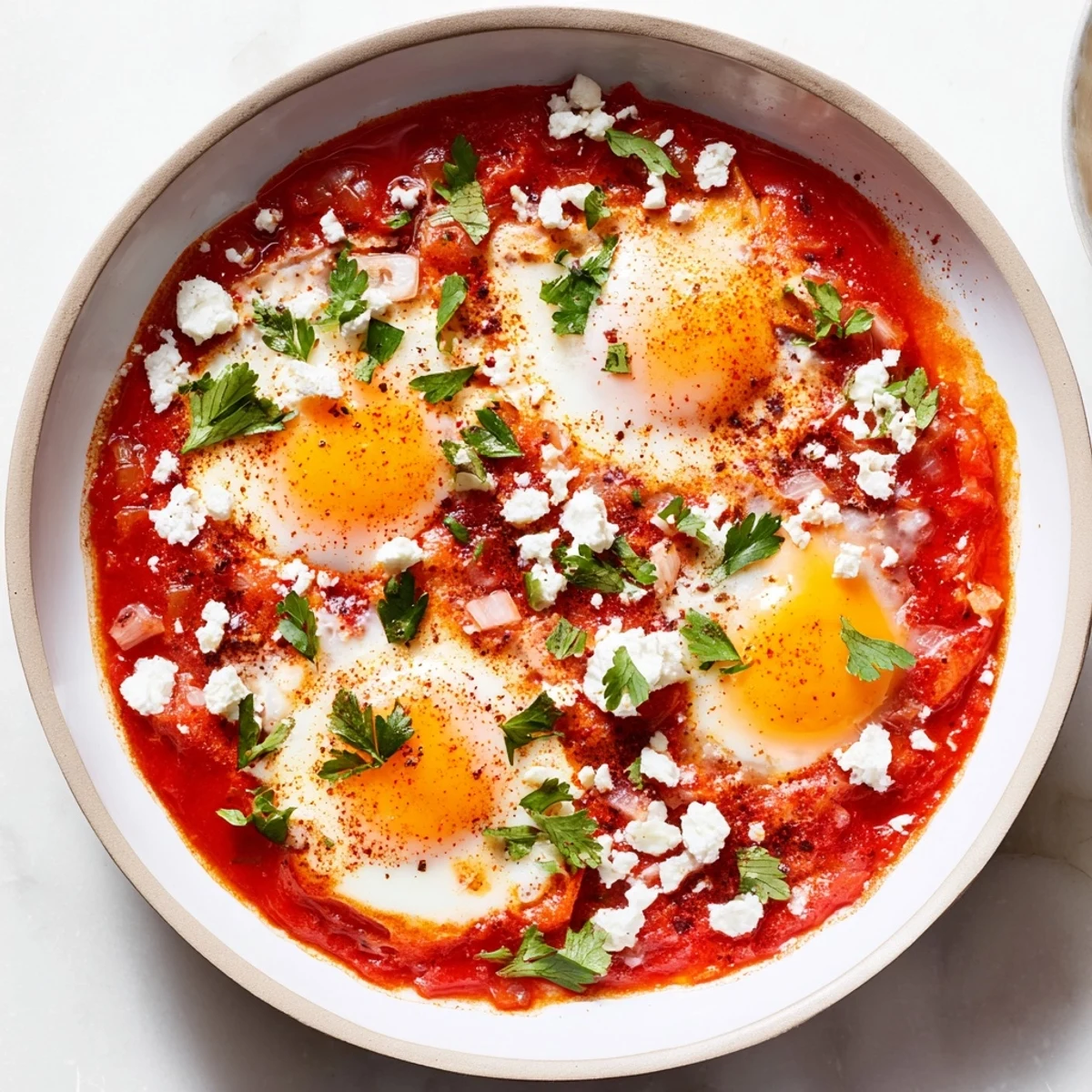
 This classic Middle Eastern dish features eggs poached directly in a vibrant, spiced tomato sauce. The combination of sautéed onions, red bell peppers, garlic, cumin, and smoked paprika creates a richly flavored base that perfectly complements runny yolks. Ready in just 25 minutes, it's an ideal choice for any meal of the day.
My roommate in college introduced me to shakshuka during finals week when we both needed something comforting but quick. She cooked it in a tiny skillet while I studied at the kitchen table, and the smell of cumin and tomatoes made it impossible to focus on anything else. We ate straight from the pan with whatever bread we had in the apartment, and I have made it regularly ever since.
Last winter I made this for friends who had just moved into a new apartment. We sat on the floor with the skillet in the middle because they had not unpacked their dining table yet, passing around bread and taking turns scooping out eggs. Nobody spoke much while eating. The bread was essential for soaking up every bit of sauce.
Ingredients
- 1 tablespoon olive oil: A neutral oil works but olive adds a nice fruitiness that complements the spices
- 1 small yellow onion, finely chopped: Yellow onions become sweet as they cook, balancing the tomatoes
- 1 red bell pepper, diced: Red peppers have more natural sweetness than green ones
- 2 garlic cloves, minced: Fresh garlic makes a real difference here, do not use jarred
- 1 can (14 oz / 400 g) diced tomatoes: Fire-roasted tomatoes add depth but regular work fine too
- 1 teaspoon ground cumin: This gives the dish its signature earthy warmth
- 1 teaspoon smoked paprika: Regular paprika lacks the smoky note that makes this feel complete
- 1/4 teaspoon chili flakes: Adjust based on your heat preference, or leave out entirely
- Salt and pepper, to taste: Taste the sauce before adding eggs, it needs proper seasoning
- 4 large eggs: Fresh eggs hold their shape better when you crack them into the sauce
- 2 tablespoons fresh parsley or cilantro, chopped: Use whichever you prefer, or both
- Crumbled feta cheese: Optional but adds a nice salty contrast to the rich eggs
Instructions
- Start the base:
- Heat olive oil in a large skillet over medium heat, add the onion and cook for 2 to 3 minutes until it starts to turn translucent
- Add the peppers:
- Stir in the diced bell pepper and cook another 3 to 4 minutes until both vegetables feel soft when you press them with your spoon
- Bloom the spices:
- Add garlic, cumin, smoked paprika and chili flakes, stirring constantly for about 1 minute until the smell fills your kitchen
- Build the sauce:
- Pour in the diced tomatoes with their juice, season with salt and pepper, then let everything simmer for 5 to 6 minutes until it thickens slightly
- Make the wells:
- Use your spoon to create 4 small indentations in the sauce, spacing them evenly so the eggs have room to cook
- Add the eggs:
- Crack an egg into each well, cover the pan, and cook for 5 to 7 minutes until the whites are completely set
- Finish and serve:
- Sprinkle with fresh herbs and crumbled feta if using, then bring the whole skillet to the table
 Pin It
 I once tried making this for a brunch party and doubled the recipe without thinking about pan size. The eggs took forever to set and some ended up fully cooked while others were still raw. Now I know to either make two batches or use two separate pans. Everyone still ate it, but the texture was all over the place.
Choosing the Right Pan
A cast iron skillet holds heat beautifully and looks impressive served straight to the table, but any heavy pan with a lid works well. The key is having enough surface area for the eggs to cook without crowding each other. If your pan is too small, the eggs will merge together and cook unevenly.
Getting the Yolks Right
Everyone has strong opinions about egg doneness, and shakshuka is no exception. I check at 5 minutes and then every 30 seconds after that until the whites are opaque but the yolks still jiggle when I shake the pan gently. Remember that residual heat continues cooking the eggs even after you remove the pan from the burner.
Bread Matters
Sourdough, ciabatta, pita, or even a baguette will work, but the bread should be sturdy enough to scoop without falling apart. I toast whatever I am using slightly so it holds up better when dragging through the sauce.
- Warm your bread in the oven while the shakshuka cooks
- Extra bread is always better than not enough
- The crustiest parts are perfect for scraping up the last bits of sauce
 Pin It
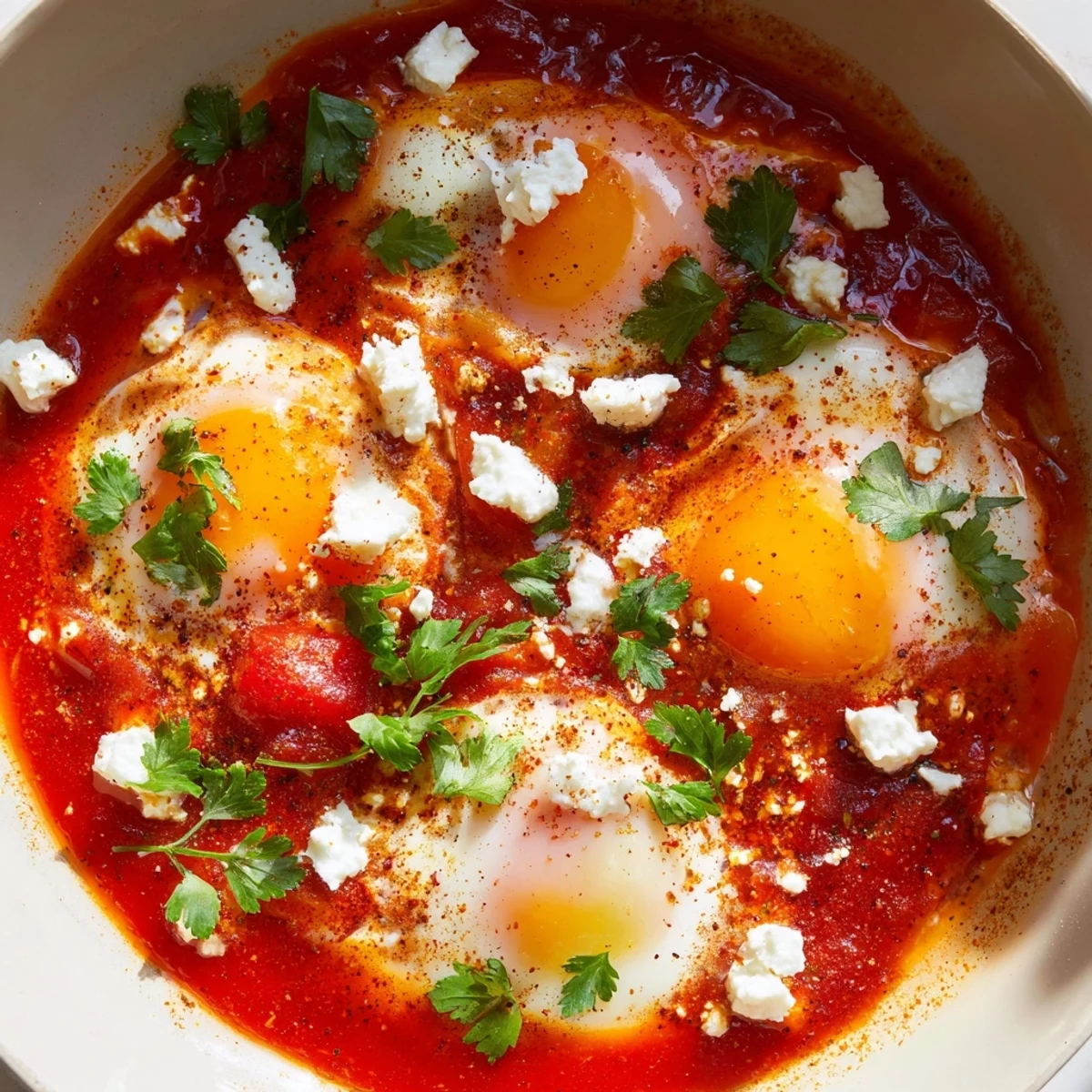
 This is the kind of meal that makes people linger at the table longer than planned. Something about dipping bread into a shared skillet makes conversations easier and time feel slower.
Recipe FAQs
- → What is shakshuka?
-
Shakshuka is a Middle Eastern and North African dish of eggs poached in a sauce of tomatoes, olive oil, peppers, onion, and garlic. Commonly spiced with cumin, paprika, and chili flakes, it's typically served for breakfast or brunch with crusty bread to soak up the flavorful sauce.
- → How do I know when the eggs are done?
-
The eggs are ready when the whites are completely set and opaque, but the yolks remain slightly runny when gently touched with a spoon. This typically takes 5–7 minutes of covered cooking. For firmer yolks, cook an additional 2–3 minutes.
- → Can I make this ahead?
-
The tomato sauce base can be prepared 1–2 days in advance and stored in the refrigerator. Reheat gently before adding eggs and finishing the dish. For best results, crack and cook fresh eggs just before serving.
- → What should I serve with shakshuka?
-
Crusty bread, pita, or flatbread are traditional accompaniments for dipping into the sauce and runny yolks. A simple green salad, olives, or cucumber on the side also balances the richness of the dish perfectly.
- → Can I add other vegetables?
-
Absolutely. Spinach, kale, or chopped zucchini can be added along with the bell peppers. For extra depth, roasted red peppers work beautifully. Just keep in mind that additional vegetables may increase the cooking time slightly.
- → Is shakshuka spicy?
-
The spice level is adjustable. The base recipe includes optional chili flakes, which provide mild heat. For a milder version, omit the flakes entirely. For more heat, add extra chili flakes, a diced jalapeño, or a dash of hot sauce.