
 Pin It
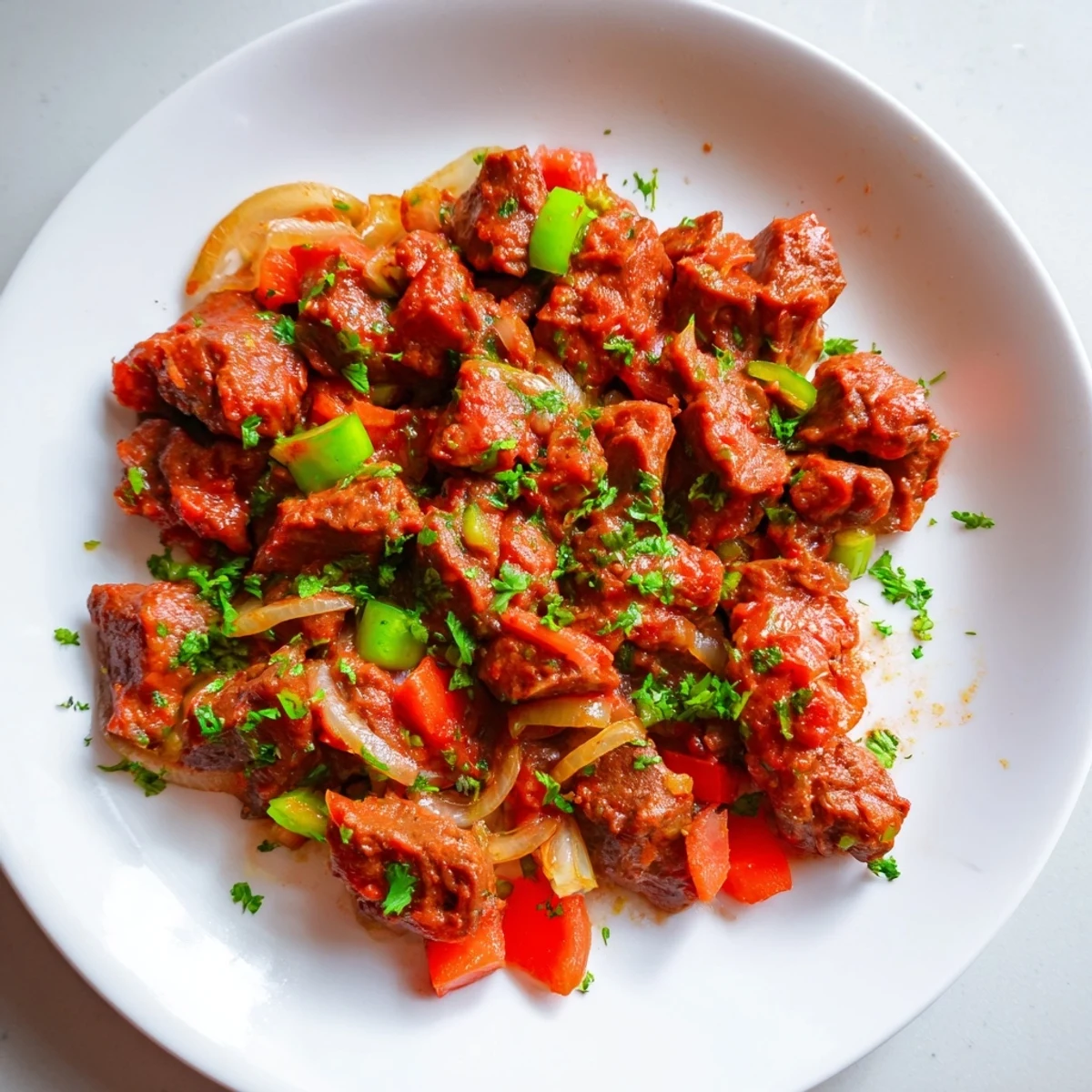
 This beloved Kenyan dish features tender goat meat pieces slow-cooked to perfection, then stir-fried with caramelized onions, fresh tomatoes, garlic, ginger, and a warming blend of spices including paprika, ground coriander, and turmeric. The result is a glossy, flavorful sauce that coats every bite of meat beautifully.
The preparation involves first simmering the meat until tender, then finishing it in a thickened aromatic sauce that creates that signature wet fry consistency. Ready in just over an hour, this hearty dish pairs perfectly with ugali, rice, or chapati for a satisfying meal.
The aroma of sizzling onions hitting hot oil still takes me back to Nairobi evenings, where my neighbor would make this dish and the entire stairwell would fill with the most incredible scent. I finally begged her for the recipe, and she taught me that the secret isn't complicated technique—it's patience and letting the meat tell you when it's ready. Now whenever I make goat wet fry, I remember standing in her tiny kitchen, watching as she transformed simple ingredients into something that felt like celebration.
Last Christmas, I made a triple batch for my family, and my uncle who claims to hate goat meat went back for thirds. He kept asking what I'd done differently, not realizing it was just the traditional method—slow simmering, proper spice ratios, and letting the sauce reduce until it clings to the meat like a warm hug. That night, sitting around the table with ugali and extra napkins, I understood why this dish is served at gatherings across Kenya.
Ingredients
- 1 kg goat meat, cut into bite-sized pieces: Choose meat with some fat marbling—it self-bastes as it cooks and keeps everything tender
- 2 large onions, finely sliced: Don't rush the slicing, thinner onions caramelize better and create that rich base
- 3 medium tomatoes, diced: Firm tomatoes work best here, they hold their shape while still breaking down into sauce
- 2 cloves garlic, minced: Fresh garlic makes all the difference, avoid the pre-minced stuff
- 1 thumb-sized piece ginger, minced: Peel it first with a spoon to get all the knobbly bits without wasting the good stuff
- 2–3 green chilies, sliced: Leave seeds in if you love heat, I usually remove half to keep it family-friendly
- ½ bunch fresh coriander, chopped: Stir this in at the very end so it stays bright and fragrant
- 3 tbsp vegetable oil: Neutral oil lets the spices shine without competing flavors
- 1 tsp salt: Start with less and adjust, you can always add more but you can't take it back
- 1 tsp black pepper: Freshly ground gives you that aromatic warmth you can't get from pre-ground
- 1 tsp paprika: Adds beautiful color and a subtle sweet pepper flavor
- 1 tsp ground coriander: This ties everything together with its citrusy earthiness
- ½ tsp turmeric powder: Optional, but it gives the sauce that gorgeous golden hue
- 200 ml water: Just enough to simmer the meat, we want most of it to cook off
Instructions
- Simmer the meat to tenderness:
- Rinse your goat meat and place it in a large saucepan with half the onions, garlic, ginger, and half the salt. Add just enough water to cover everything, bring to a boil, then lower heat and simmer covered for 25 to 30 minutes until the meat is fork-tender and most liquid has absorbed.
- Create the aromatic base:
- Heat oil in a heavy-bottomed pan over medium-high heat, add remaining onions, and cook until they're deeply golden brown—this is where all that rich flavor develops.
- Build the sauce foundation:
- Add tomatoes and green chilies to the browned onions, sautéing until tomatoes break down completely and the mixture thickens into a fragrant mash.
- Combine and coat everything:
- Add your cooked goat meat along with any remaining pan juices, then stir in paprika, ground coriander, black pepper, turmeric if using, and remaining salt. Mix thoroughly and cook uncovered for 10 to 15 minutes, stirring frequently until sauce reaches that perfect wet consistency—glossy and coating the meat without being soupy.
- Finish with fresh herbs:
- Taste and adjust seasoning if needed, then stir in fresh coriander and cook for just 1 to 2 minutes more to let the flavors marry.
- Serve it up:
- Serve piping hot with ugali, rice, or chapati—something to soak up all that incredible sauce.
 Pin It
 My friend's mother once told me that in Kenyan households, the ability to make proper wet fry is almost like a rite of passage. When I finally nailed the sauce consistency, I felt like I'd been initiated into some delicious secret club.
Getting That Perfect Wet Fry Consistency
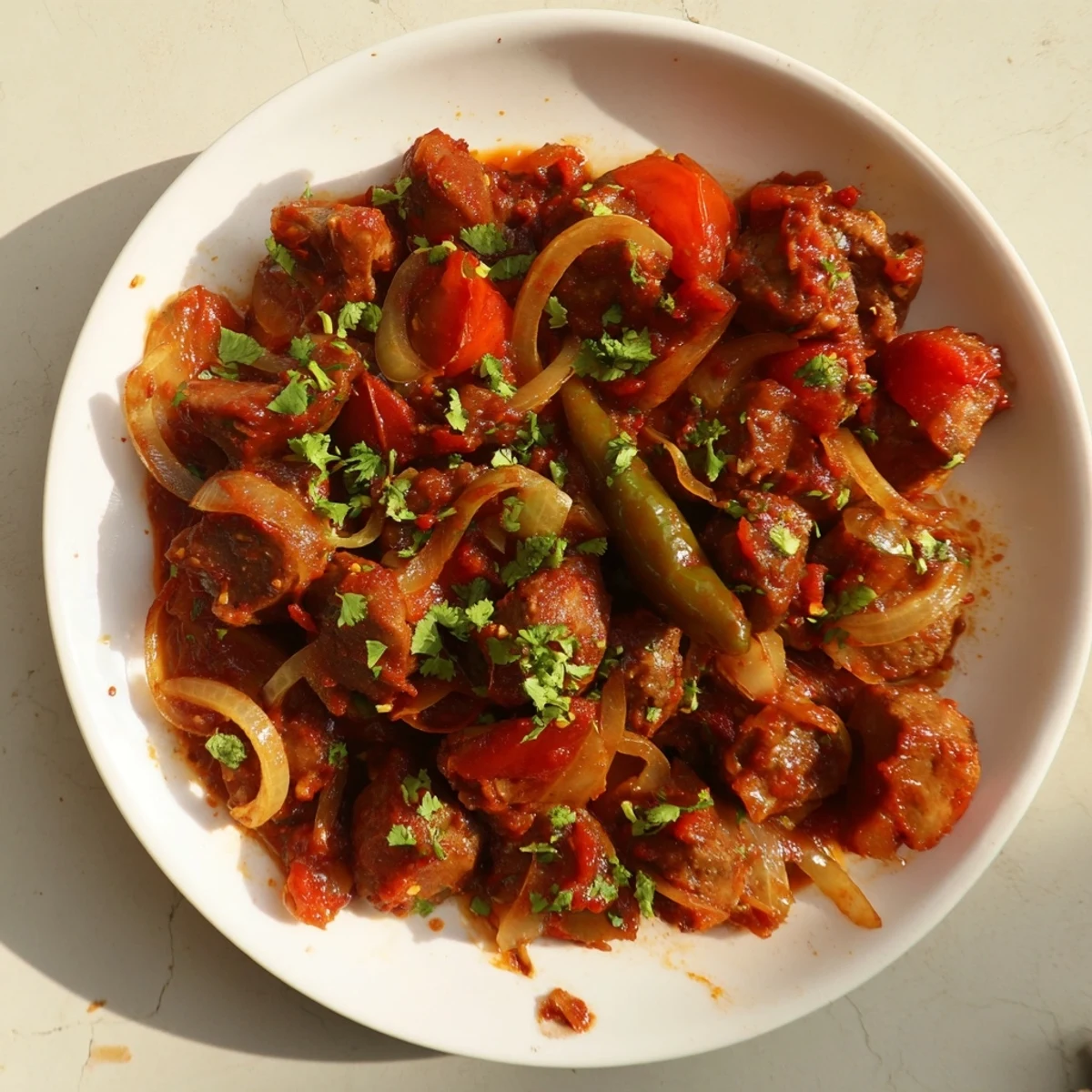
The difference between dry fry and wet fry comes down to patience. You want enough liquid remaining to coat each piece of meat in a glossy sheen, but not so much that it's swimming. I keep a small bowl of water nearby—if it's drying out too fast, I add just a tablespoon at a time.
Choosing the Right Goat Meat
Look for meat with good marbling and some connective tissue—that's what melts down and makes the sauce rich and velvety. I've learned that completely lean goat meat can end up tough and dry, no matter how long you simmer it.
Making It Your Own
Once you master the basic technique, this recipe becomes a canvas. I've added bell peppers for sweetness, carrots for color, and even a splash of coconut milk for creaminess. The core method stays the same—everything else is up to your taste and what's in your kitchen.
- Try browning the meat in oil first for deeper flavor
- Substitute beef or lamb if goat isn't available
- Let it rest for 10 minutes before serving for juicier results
 Pin It
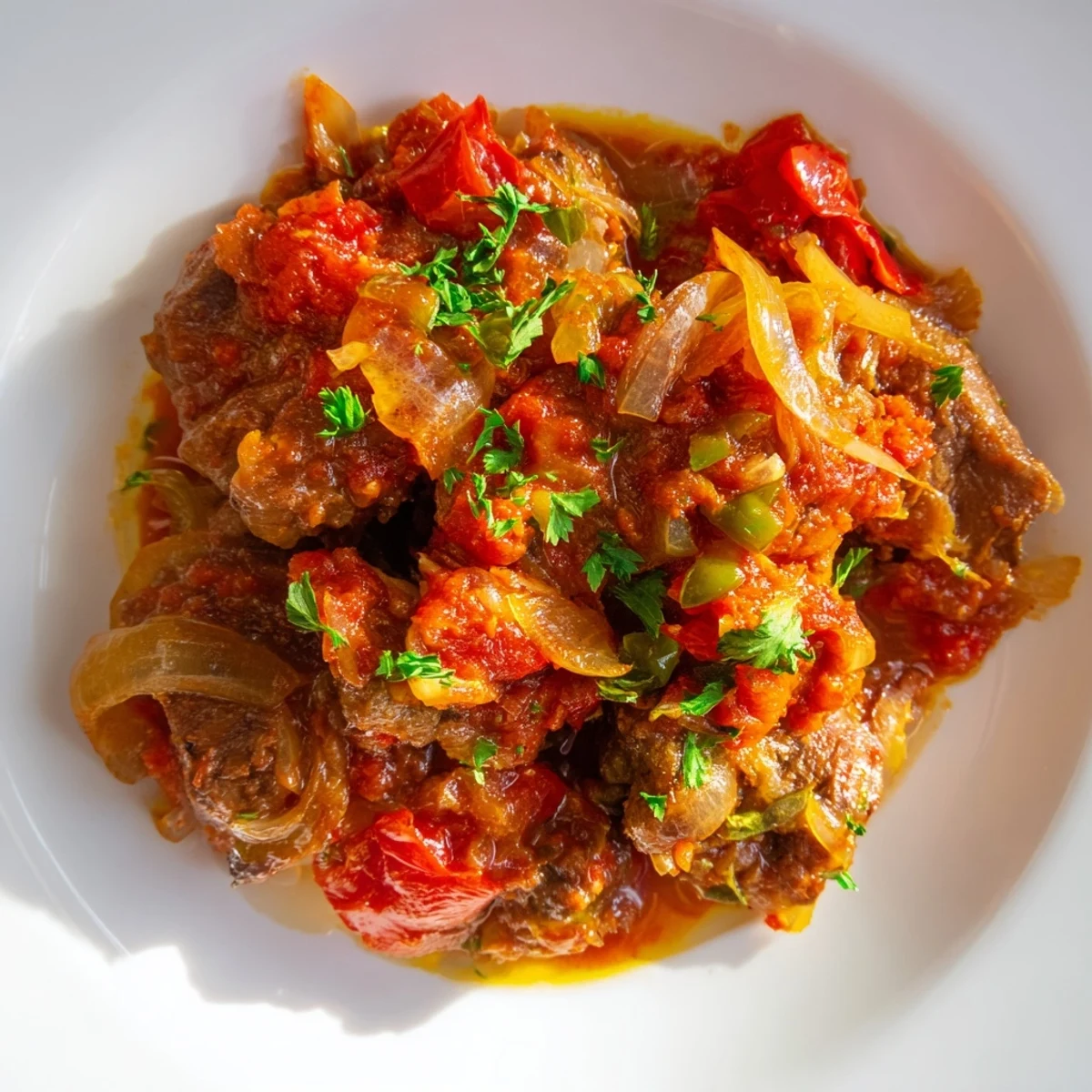
 There's something deeply satisfying about making a dish that's been cooked in Kenyan kitchens for generations, carrying those flavors forward. Every bite feels like connection.
Recipe FAQs
- → What makes wet fry different from dry fry?
-
Wet fry features meat cooked in a thickened sauce that creates a rich, glossy coating. The sauce remains saucy rather than reducing completely, providing extra moisture and flavor that clings to each piece of meat.
- → Can I substitute goat meat with other proteins?
-
Yes, beef, lamb, or chicken work well as alternatives. Adjust cooking time accordingly—chicken will cook faster, while beef may need similar time to goat to reach tenderness.
- → How do I achieve the right sauce consistency?
-
Cook uncovered after adding the meat to the tomato base, stirring frequently. The sauce should thicken enough to coat the meat generously while remaining pourable, not soupy or completely dry.
- → What should I serve with this dish?
-
Ugali is the traditional accompaniment and perfect for soaking up the flavorful sauce. Rice, chapati, or even flatbread also work beautifully to complement the rich, spiced meat.
- → How can I adjust the heat level?
-
The green chilies provide customizable heat—add fewer for milder flavor or more for extra spice. You can also include chili seeds or add cayenne pepper to intensify the heat to your preference.