
 Pin It
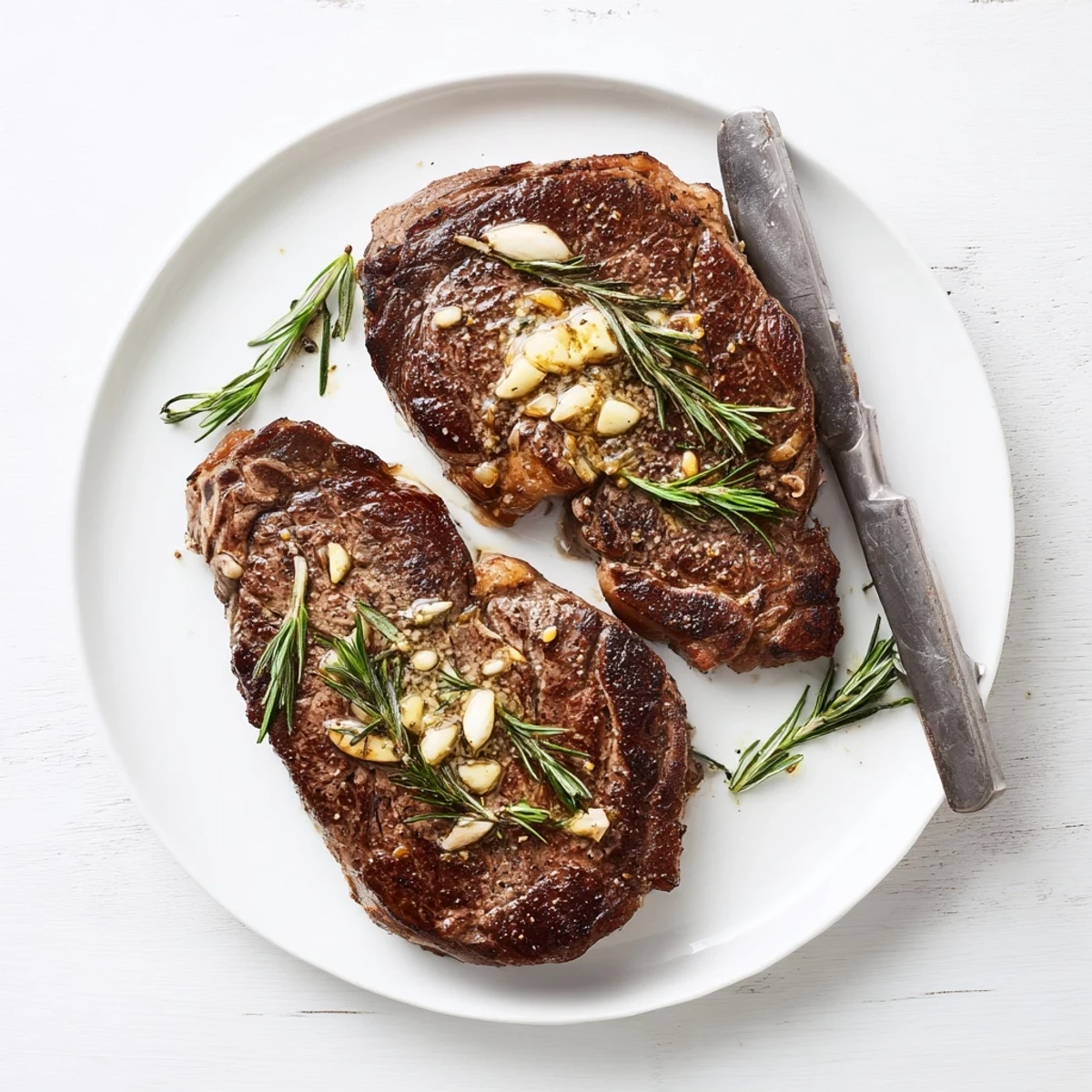
 Create a restaurant-worthy steak dinner at home with this simple yet impressive method. Start with thick-cut ribeye steaks, sear them in a hot cast iron skillet until a golden crust forms, then finish with a rich baste of melted butter, minced garlic, and fresh rosemary. The key is bringing meat to room temperature before cooking and letting it rest afterward to ensure juicy, tender results. Perfect for date nights or special occasions when you want something exceptional without complicated techniques.
The sizzle of steak hitting a screaming hot pan is one of those sounds that instantly makes everyone in the house wander toward the kitchen, and honestly I have never once been mad about it. My cast iron skillet has earned its permanent spot on the stove through countless nights of garlic butter basting and perfectly crusted ribeyes. This recipe turned a random Tuesday into something that felt like a celebration without any fuss.
One evening my neighbor knocked on the door right as I was mid baste, and instead of being annoyed I just handed him a fork and told him to wait in the kitchen. We ended up eating standing around the counter, tearing into the steak with our hands and passing around a bowl of roasted potatoes. It was the best impromptu dinner party I never planned.
Ingredients
- Ribeye steaks (2, about 1 inch thick, 250g each): Ribeye has the marbling that keeps everything juicy and forgiving, even if you accidentally overshoot your target temperature by a few degrees.
- Unsalted butter (3 tablespoons): Unsalted lets you control the seasoning, and the butter carries the garlic and rosemary flavor straight into every bite.
- Olive oil (1 tablespoon): This raises the smoke point so you get a beautiful sear without burning the butter right away.
- Garlic cloves, finely minced (4): Fresh garlic is nonnegotiable here because the aroma that fills the kitchen while it sizzles in butter is half the experience.
- Fresh rosemary sprigs (2): Rosemary infuses the butter with a piney warmth that dried herbs simply cannot match, though thyme works beautifully in a pinch.
- Salt and freshly ground black pepper: Season generously and without fear because a well salted crust is the foundation of a great steak.
Instructions
- Let the steaks relax:
- Pull the steaks from the fridge about twenty minutes before cooking and pat them thoroughly dry with paper towels because moisture is the enemy of a good sear.
- Season with confidence:
- Coat both sides generously with salt and pepper, pressing the seasonings into the meat with your palms so they really adhere.
- Get the pan ripping hot:
- Heat the olive oil in a heavy cast iron skillet over high heat until you see faint wisps of smoke dancing off the surface.
- Build that crust:
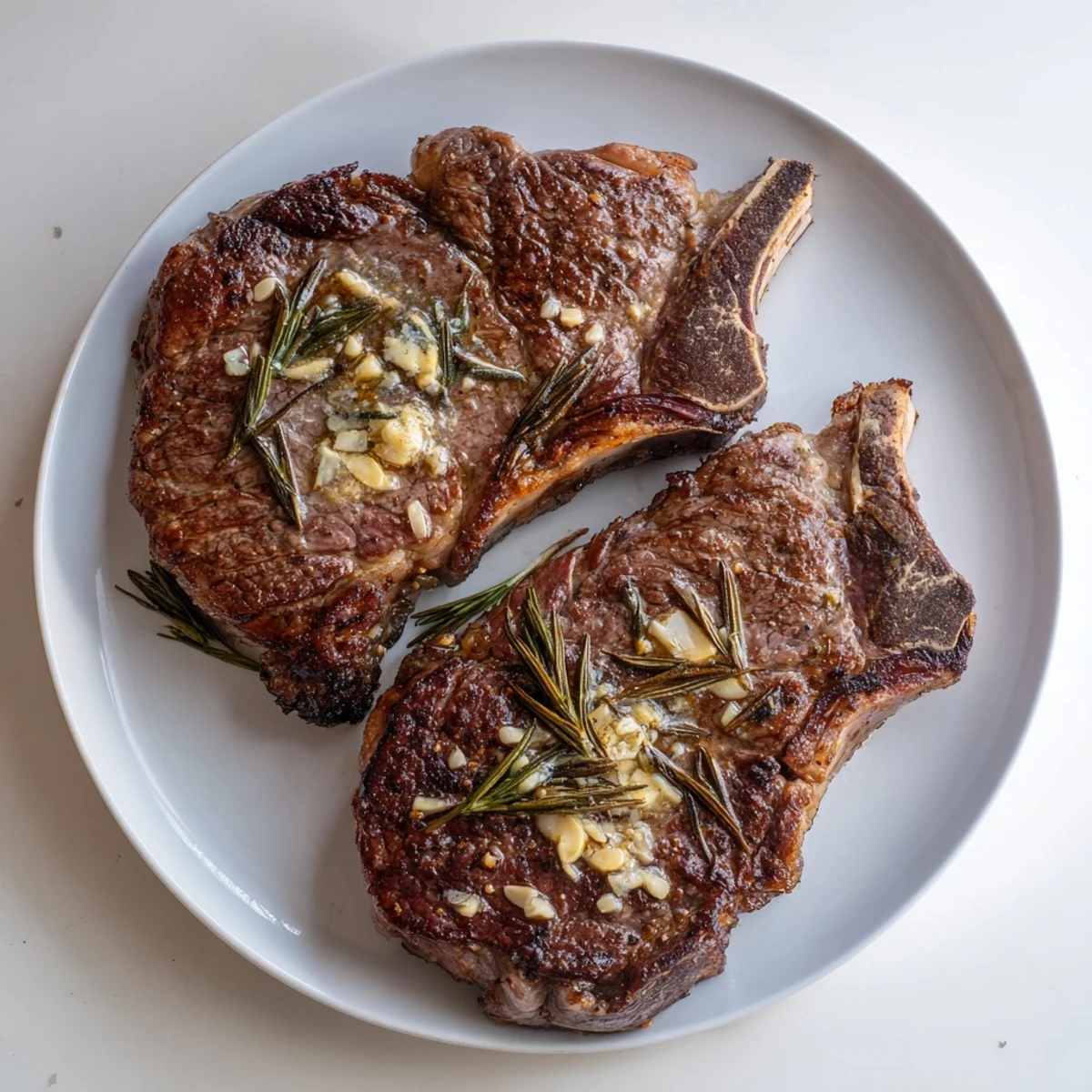
- Lay the steaks in carefully and let them sear without moving for two to three minutes per side until a deep golden brown crust forms.
- Baste like you mean it:
- Drop the heat to medium, add the butter, garlic, and rosemary, then tilt the pan and spoon the foaming, fragrant butter over the steaks continuously for two to three minutes until they reach your preferred doneness.
- Rest before slicing:
- Transfer the steaks to a warm plate and let them rest for five full minutes so the juices redistribute instead of spilling onto the cutting board.
 Pin It
 There is something quietly powerful about setting a beautifully crusted steak in front of someone you care about and watching their eyes light up before they even take a bite.
What to Serve Alongside
Roasted potatoes with rosemary are a natural companion because they soak up any extra garlic butter you might drizzle over the plate. A crisp green salad with a sharp vinaigrette cuts through the richness and keeps the meal from feeling too heavy.
Wine Pairing Thoughts
Bold reds like Cabernet Sauvignon or Malbec were practically made for ribeye because their tannins grip the fat and make each bite taste even richer. A good bottle does not have to be expensive, just something you enjoy sipping while the steak rests.
Leftovers and Reheating
Cold leftover steak sliced thin over a salad the next day might actually rival the original dinner. If you reheat, do it gently in a low oven so you do not cook it past its original doneness.
- A splash of lemon juice at the very end brightens everything up in a way you will not expect.
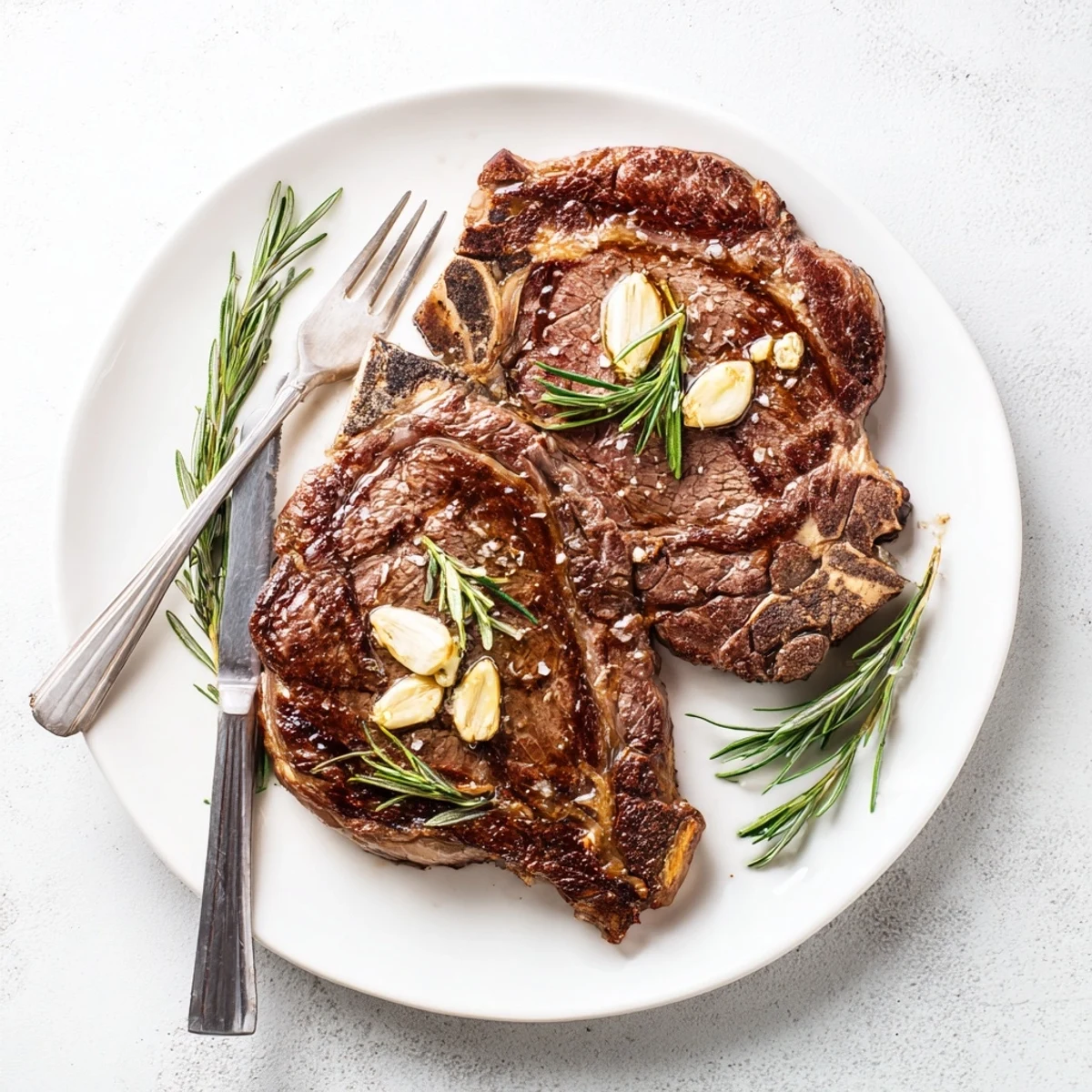
- Flaky sea salt sprinkled on just before serving adds a satisfying crunch that regular table salt cannot provide.
- Always check butter labels if you are cooking for someone with allergies because some processed brands contain hidden traces of other allergens.
 Pin It
 Keep it simple, trust the process, and let the butter do the talking. This is the kind of recipe that makes you look like a genius with almost no effort at all.
Recipe FAQs
- → What cut of steak works best for this preparation?
-
Ribeye is ideal due to its marbling and flavor, but you can also use New York strip, sirloin, or filet mignon. Choose steaks at least 1-inch thick for best results.
- → How do I know when the steak reaches medium-rare?
-
Use a meat thermometer inserted into the thickest part. Medium-rare registers 130°F-135°F (54°C-57°C). If you don't have a thermometer, press the center—it should feel like the fleshy part of your palm below your thumb.
- → Why is it important to let steaks come to room temperature first?
-
Room-temperature meat cooks more evenly. Cold steaks can sear on the outside while remaining undercooked inside, or overcook while waiting for the center to reach temperature.
- → Can I use dried herbs instead of fresh rosemary?
-
Fresh herbs provide superior flavor, but you can substitute 1 teaspoon dried rosemary or thyme. Add them earlier with the butter to allow time for rehydration.
- → What's the purpose of basting during cooking?
-
Basting infuses the meat with garlic and herb flavors while helping the butter penetrate the surface. It also helps cook the top side while enhancing moisture and creating a beautiful finish.