
 Pin It
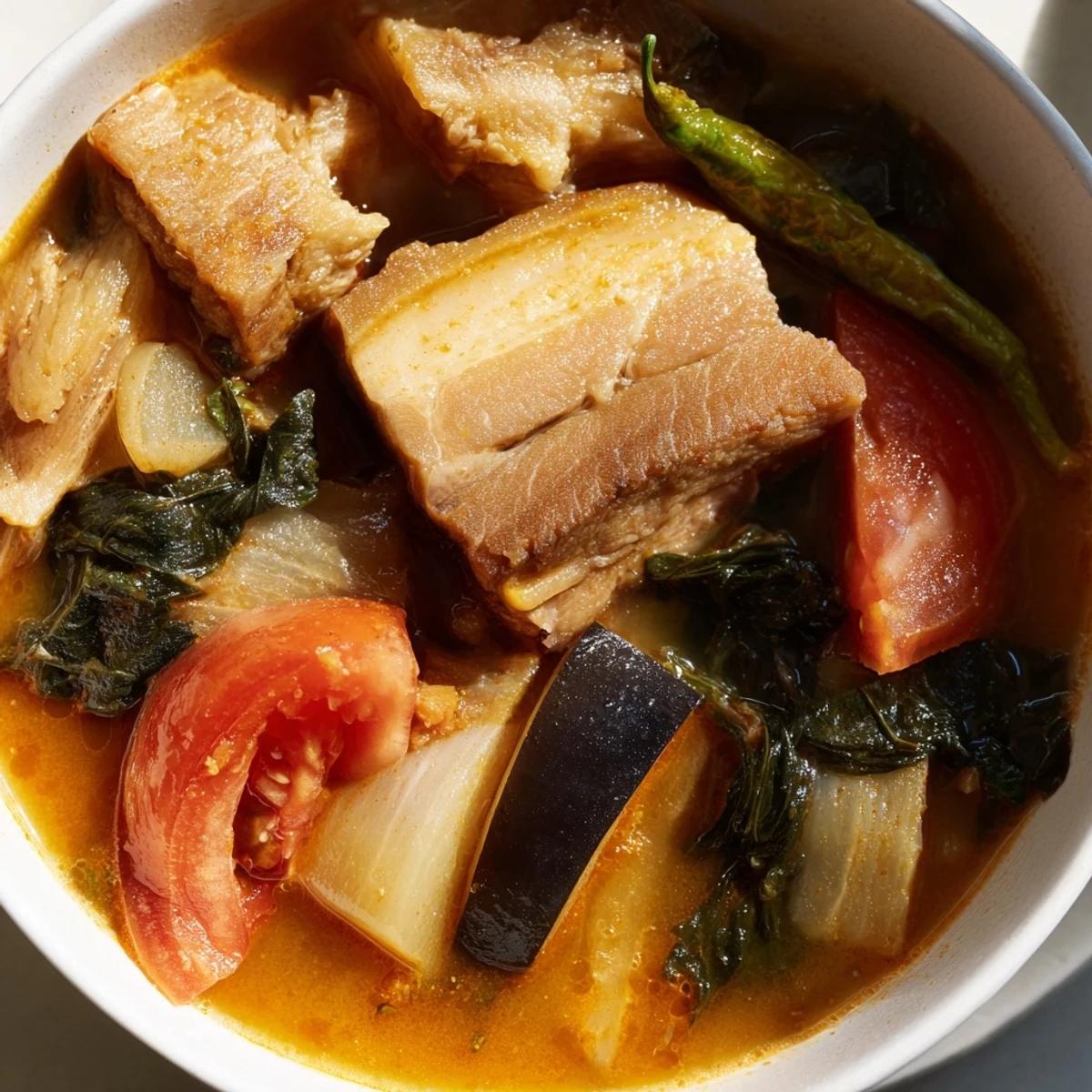
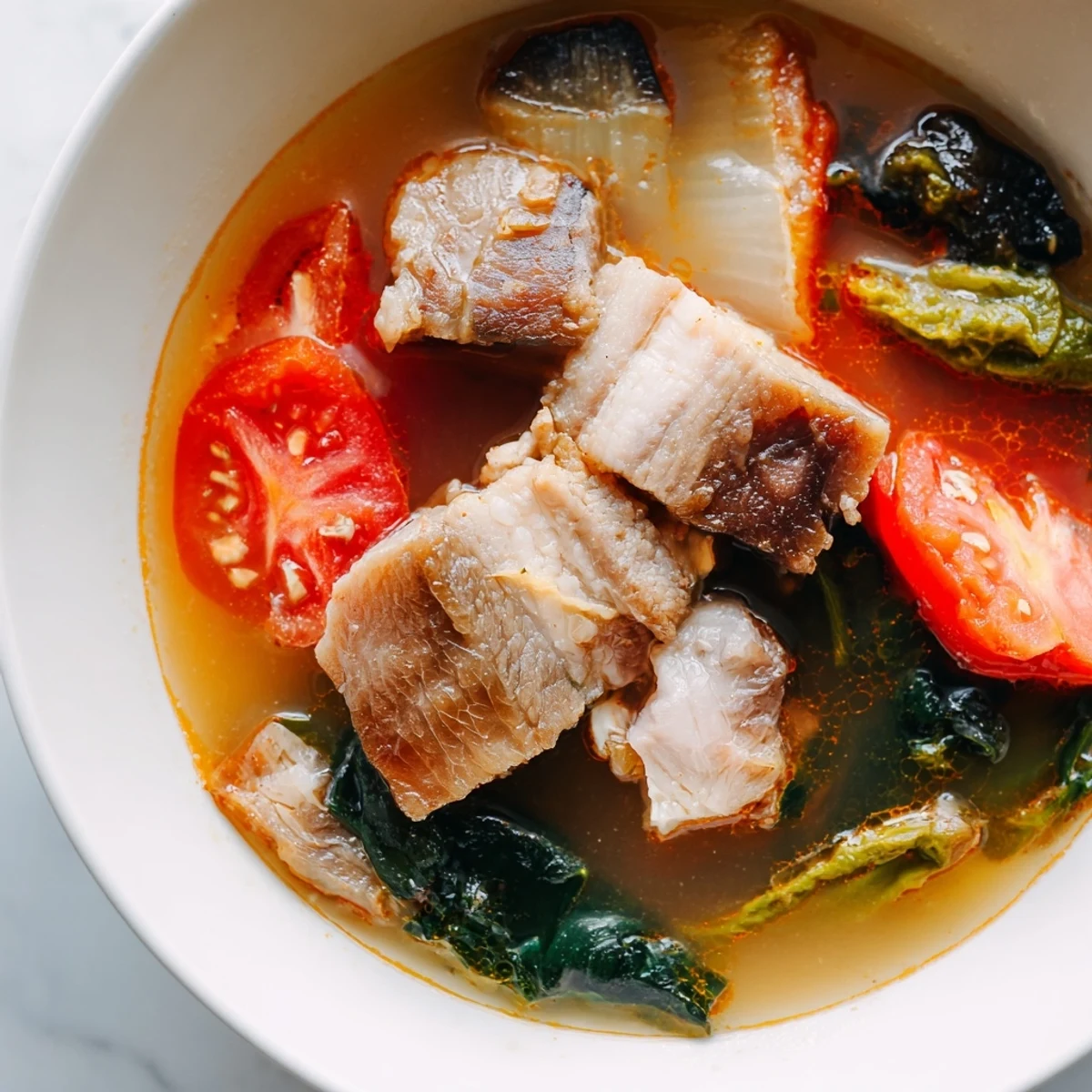
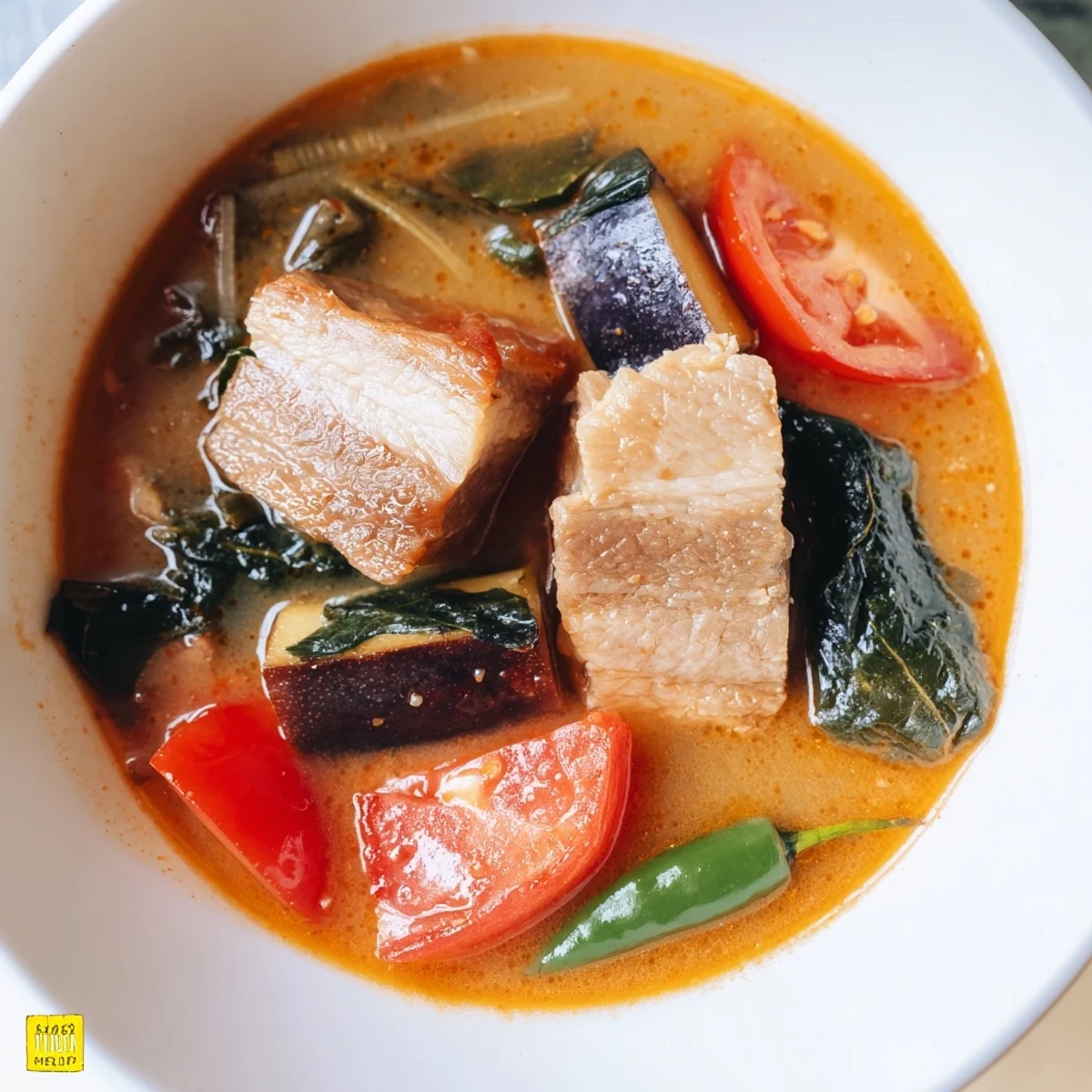
 Sinigang is a beloved Filipino comfort dish known for its distinctive sour flavor profile. This savory soup features tender pork belly or ribs simmered with fresh vegetables including tomatoes, onions, daikon radish, string beans, and eggplant. The signature tanginess comes from tamarind, creating a perfect balance of sour and savory notes that warms the soul.
Ready in just over an hour, this nourishing soup serves six and pairs beautifully with steamed white rice. The broth gets its complexity from fish sauce and fresh vegetables, while the tender meat and crisp-tender veggies provide satisfying texture in every spoonful.
The first time I had Sinigang was at my Lola's house during one of those relentless monsoon afternoons. Rain hammered against the tin roof while this steaming bowl arrived at the table, its sour aroma cutting through the humidity and making my mouth water instantly. I've never forgotten how something so tangy and comforting could exist in the same spoonful. Now it's my go-to whenever homesickness hits or the weather turns gray.
Last winter my roommate came down with a terrible cold and nothing seemed to help. I made a giant pot of Sinigang and watched her face light up at that first sour note. She swore it cleared her sinuses better than any medicine and asked for the recipe before she even finished her bowl. Now whenever someone mentions feeling under the weather, I automatically start reaching for the tamarind mix.
Ingredients
- 1 kg pork belly or ribs: Pork belly adds richness but ribs give you that bone deep flavor that simmers into something extraordinary
- 2 medium tomatoes: These break down into the broth creating that subtle sweetness that balances the sour
- 1 large onion: Quartered so they release their flavor slowly into the soup
- 1 daikon radish: Adds a lovely crunch and mild sweetness that soaks up the broth beautifully
- 10 string beans: They retain a snap even after simmering which I love for texture contrast
- 1 eggplant: Slices become silky and absorb all those sour flavors like little flavor sponges
- 2 cups spinach or kangkong: Added at the very end just until wilted so they stay vibrant and fresh
- 2 long green chili peppers: Optional but that gentle heat makes every spoonful more interesting
- 1 packet tamarind soup base: The shortcut version of what would traditionally be fresh tamarind pulp boiled and strained
- 2 tbsp fish sauce: Don't skip this it adds that essential umami depth you can't get from salt alone
- 6 cups water: Start with this but add more if you prefer a thinner soup
Instructions
- Build your foundation:
- Bring your water to a rolling boil and add the pork chunks, skimming off any foam that rises to the top. This step is tedious but worth it for a cleaner tasting broth.
- Infuse the aromatics:
- Drop in your quartered tomatoes and onion, then lower the heat to a gentle simmer. Let them work their magic for about 20 minutes until the pork starts yielding to the touch.
- Add hearty vegetables:
- Toss in the daikon radish slices and give them 10 minutes to soften. They take longer than everything else and you want them tender but not falling apart.
- Introduce the remaining vegetables:
- Add your eggplant, string beans, and chili peppers if using them. Let everything simmer together for 5 minutes so the flavors start mingling.
- Create that signature sourness:
- Stir in the tamarind soup base until fully dissolved, tasting as you go. The broth should make your mouth pucker slightly without being overwhelming.
- Season thoughtfully:
- Add fish sauce, salt, and pepper, but remember the fish sauce is salty so go easy on the salt initially. You can always add more but you can't take it back.
- Finish with greens:
- Drop in your spinach or kangkong and simmer for just 2 to 3 minutes. They should be wilted but still bright green, not sad and limp.
- Serve immediately:
- Ladle the soup into bowls over steaming white rice while it's piping hot. The broth is the star so make sure everyone gets plenty of that liquid gold.
 Pin It
 My cousin came over last month skeptical about sour soup but left asking for the recipe and three containers of leftovers. There's something magical about watching someone take that first uncertain sip and then immediately reach for their spoon again. Now every time she visits she asks if Sinigang is on the menu.
Making It Your Own
I've discovered that Sinigang is incredibly forgiving and welcomes substitutions. Sometimes I use shrimp instead of pork, adding them in the last 10 minutes so they don't toughen. The broth remains just as comforting and the seafood version feels lighter for summer evenings when you still crave that sour kick but want something less heavy.
The Perfect Rice Pairing
My Lola always said Sinigang needs rice that can hold up to all that liquid without turning into mush. I cook my white rice with slightly less water than usual so each grain stays separate. That way when you spoon the broth over it, you get this perfect contrast between tender grains and that tangy soup in every bite.
Storage And Reheating
This soup actually tastes better the next day when all those flavors have had more time to deepen and marry together. I store it in the refrigerator for up to three days and reheat gently on the stove, adding a splash of water if the broth has reduced too much.
- The vegetables will soften significantly after storing and reheating
- If making ahead, add fresh greens when you reheat instead of during initial cooking
- The broth may need a quick adjustment with more fish sauce or tamarind after sitting
 Pin It
 There's something deeply nourishing about Sinigang that goes beyond just physical sustenance. Maybe it's the way the sour broth wakes up your senses or how a steaming bowl can transport you back to family dinners and rainy afternoons. Either way, I hope this recipe brings as much comfort to your table as it has to mine.
Recipe FAQs
- → What makes Sinigang soup sour?
-
The signature sourness comes from tamarind, which can be used fresh from pods or as a convenient soup base mix. The tangy tamarind creates Sinigang's distinctive flavor profile that balances beautifully with the savory pork and vegetables.
- → Can I make Sinigang with other proteins?
-
Absolutely! While pork belly or ribs are traditional, you can substitute with beef, shrimp, or fish. Seafood versions are lighter and the protein should be added during the last 10 minutes of cooking to prevent overcooking.
- → What vegetables go best in Sinigang?
-
Classic additions include tomatoes, onions, daikon radish, string beans, eggplant, and leafy greens like spinach or kangkong (water spinach). You can also add okra, taro, or other vegetables based on preference and availability.
- → How do I adjust the sourness level?
-
Start with the recommended amount of tamarind base and taste the broth. If you prefer more sourness, add additional tamarind mix gradually. You can also balance the flavors by adjusting the fish sauce and salt to your taste.
- → What should I serve with Sinigang?
-
Steamed white rice is the traditional accompaniment, perfect for soaking up the flavorful broth. The soup also pairs well with a chilled glass of Sauvignon Blanc for a refreshing contrast to the tangy, savory flavors.
- → Can I make Sinigang ahead of time?
-
Yes, the flavors actually develop and improve when made ahead. Store the soup in the refrigerator and reheat gently, adding fresh vegetables like spinach just before serving to maintain their texture and vibrant color.