
 Pin It
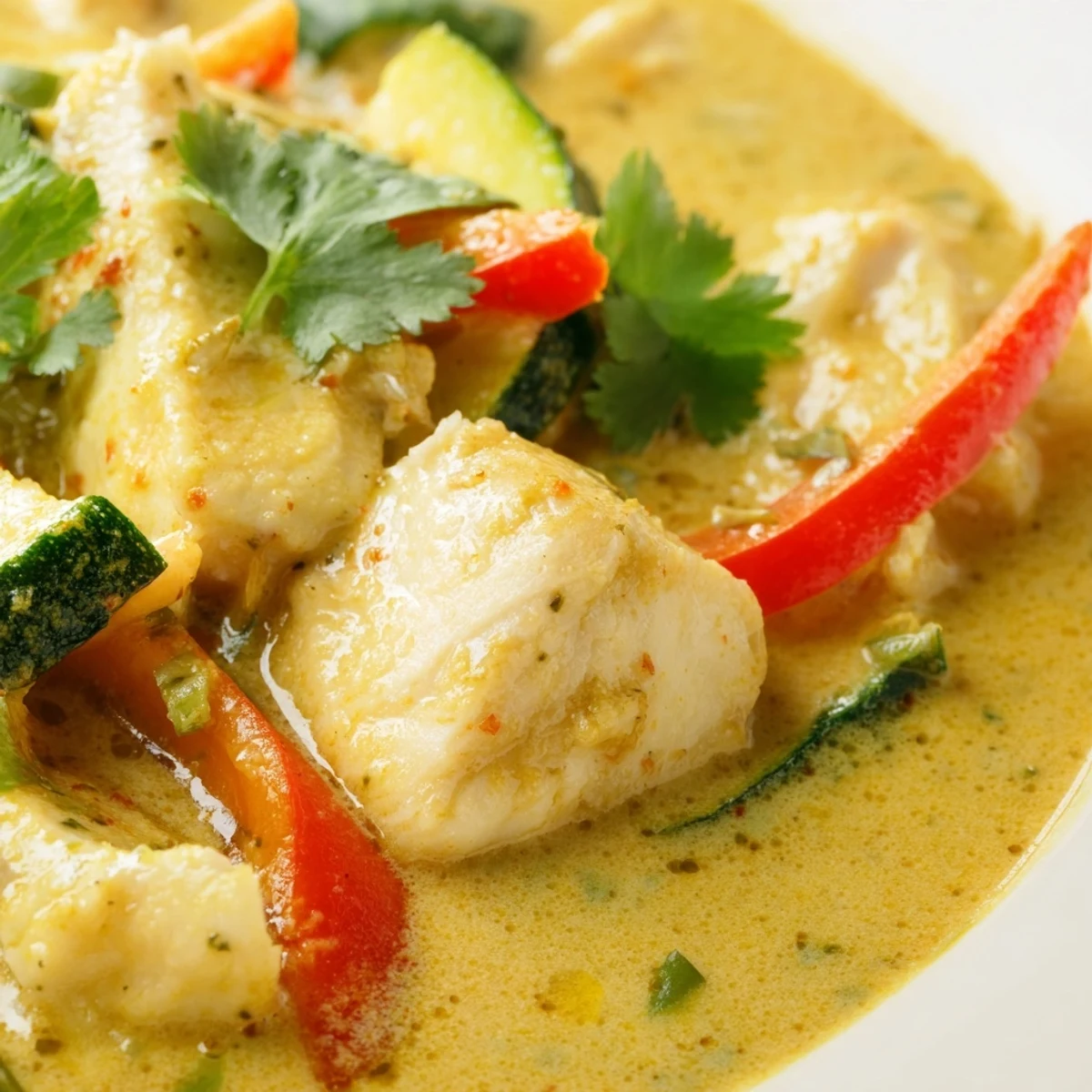
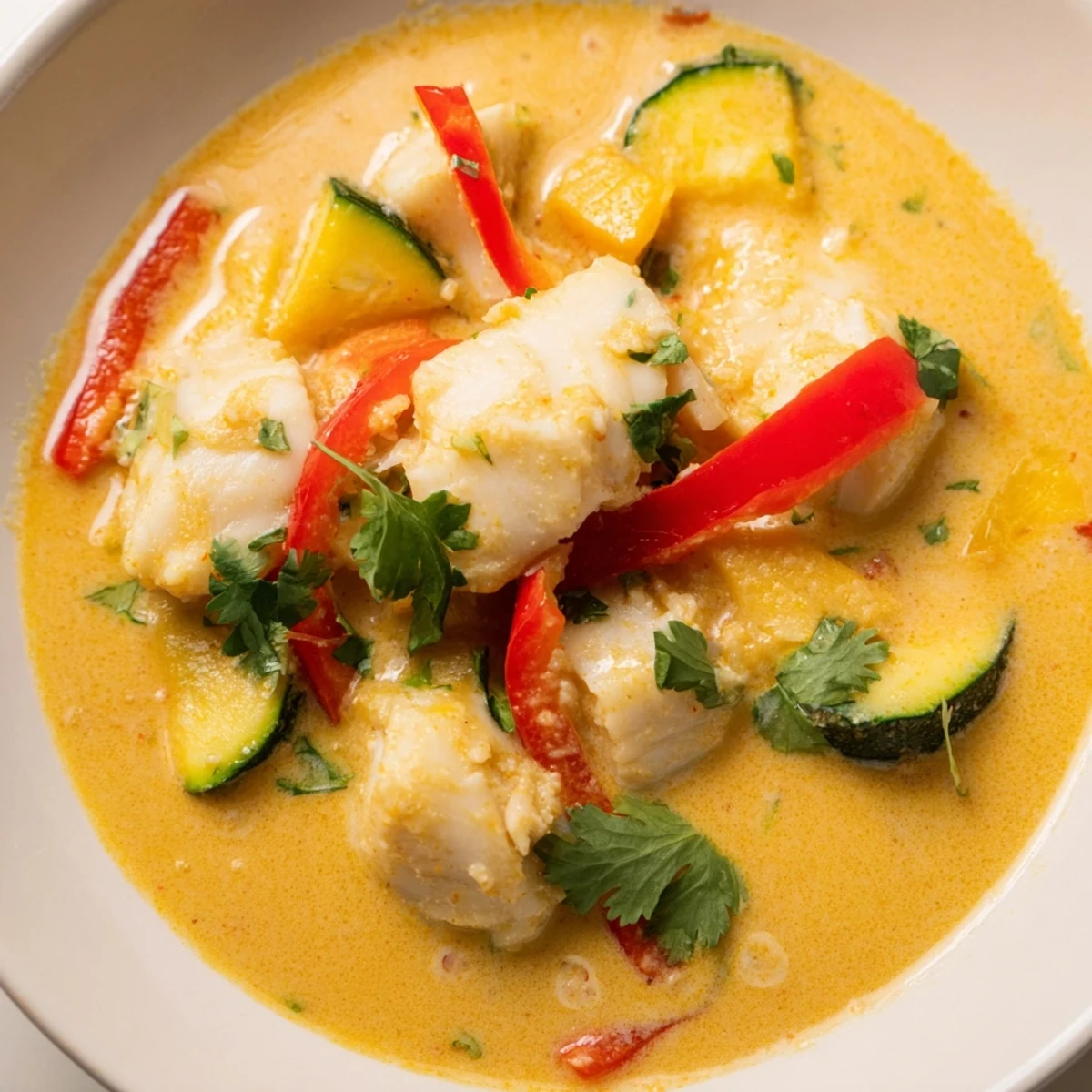
 This coastal-style stew combines tender chunks of firm white fish with a luscious coconut milk base. The aromatic broth gets depth from ginger, turmeric, and coriander, while vegetables like bell pepper, carrot, and zucchini add color and texture. A splash of fish sauce and fresh lime bring brightness to balance the rich coconut creaminess.
The preparation is straightforward: marinate the fish while building the flavorful base, then gently simmer everything together. The result is a light yet satisfying bowl that feels luxurious without being heavy. Perfect over steamed jasmine rice, this stew brings together the best of tropical and coastal flavors in a simple, nourishing meal.
The first time I made coconut fish stew was during a particularly gloomy February when my kitchen felt like the only warm place in the world. I had cod defrosting in the fridge and a can of coconut milk I'd bought on impulse, and something about the combination just felt right. The aroma of ginger and turmeric hitting that hot coconut milk changed everything. My roommate wandered in from her room, drawn by the smell, and asked if we could eat immediately.
Last summer I served this stew to friends who claimed they hated fish, and watched them scrape their bowls clean. The red bell pepper and zucchini add such sweetness that the fish becomes part of the story rather than the whole plot. One friend actually asked for the recipe before shed even finished her first serving. Now its my go-to when I need to feed people something that feels special but doesnt require me to stand over the stove for hours.
Ingredients
- 600 g firm white fish fillets: Cod, halibut, or haddock work beautifully here because they hold their shape in the simmering liquid without falling apart
- 1 tbsp fresh lime juice: This wakes up the fish and gives it a brightness that cuts through the rich coconut milk
- 1 medium onion, finely chopped: The foundation that builds depth as it softens in the oil
- 2 cloves garlic, minced: Fresh garlic is nonnegotiable here, nothing substitutes for its sharp aromatic punch
- 1 red bell pepper, sliced: Adds natural sweetness and a gorgeous pop of color against the pale coconut broth
- 1 medium carrot, sliced thin: These hold onto their texture even as they absorb all those spiced flavors
- 1 medium zucchini, sliced: Cooks just enough to become tender without turning to mush
- 1-2 red chilies, deseeded and finely chopped: Adjust this based on your heat tolerance, or leave them out entirely
- 400 ml canned coconut milk: Full fat gives you that restaurant quality creaminess
- 400 ml fish or vegetable stock: Fish stock adds depth but vegetable stock keeps it completely clean tasting
- 1 tbsp fresh ginger, grated: Fresh ginger brings a warm zing that ground ginger can never quite replicate
- 1 tsp ground turmeric: Gives the stew its golden color and earthy undertones
- 1 tsp ground coriander: Adds a subtle citrusy warmth that rounds out the other spices
- 2 tbsp fresh cilantro, chopped: Use half during cooking and save the rest for that bright finish on top
- 2 tbsp fish sauce: The secret ingredient that adds umami without making the dish taste fishy
- 1 tbsp olive oil or coconut oil: Coconut oil reinforces the tropical notes but olive oil works perfectly
Instructions
- Prepare the fish:
- Toss the fish chunks with lime juice, salt, and pepper, then let them hang out while you get everything else ready. This quick marinade makes such a difference in the final flavor.
- Build your aromatic base:
- Heat the oil in a large pot over medium heat, add the onion, and cook until it goes translucent and fragrant, about 3 minutes.
- Add the aromatics:
- Throw in the garlic, ginger, and chilies and sauté for just 1 minute until the smell becomes intoxicating. Do not let the garlic brown.
- Cook the vegetables:
- Add the bell pepper, carrot, and zucchini and cook for 3 to 4 minutes, stirring occasionally, until they start to soften.
- Bloom the spices:
- Sprinkle in the turmeric and coriander and cook for 30 seconds, stirring constantly. This wakes up the spices and prevents them from tasting raw.
- Create the broth:
- Pour in the coconut milk and stock, bring everything to a gentle simmer, and let it cook together for a moment.
- Season and simmer:
- Stir in the fish sauce and half the chopped cilantro, then let the broth simmer for 8 to 10 minutes until the vegetables are just tender.
- Add the fish:
- Gently add the fish pieces, cover the pot, and simmer for 6 to 8 minutes until the fish turns opaque and flakes easily with a fork.
- Taste and adjust:
- The final step is crucial, taste the stew and adjust with more salt, pepper, or lime juice until it sings.
- Serve it up:
- Ladle the stew into bowls and garnish with fresh cilantro and lime wedges. Serve hot with steamed rice if you want something to soak up that incredible broth.
 Pin It
 This stew became my comfort food during a lonely winter when cooking felt like the only thing grounding me. Something about dipping into that bowl, fragrant with ginger and coconut, felt like being hugged from the inside out. Now whenever I make it, I remember how food can be medicine for the things we cannot name.
Making It Your Own
The beauty of this stew is how forgiving it is to substitutions. I have made it with shrimp, with chunks of salmon, and even with a mix of whatever seafood looked best at the market that day. Each variation brings something slightly different but always delicious.
Vegetable Swaps
Sometimes I use spinach or kale instead of zucchini, throwing them in at the very end so they just wilt into the broth. Sweet potato works beautifully too, adding a sweetness that plays off the turmeric. Trust your instincts and use what you love.
Serving Suggestions
A squeeze of fresh lime right before serving makes all the flavors pop. Steamed jasmine rice is traditional but crusty bread works wonderfully for soaking up every drop.
- Toast some baguette slices rubbed with raw garlic for the perfect accompaniment
- A crisp white wine like Sauvignon Blanc cuts through the richness beautifully
- Extra cilantro and lime wedges on the table let everyone adjust their own bowl
 Pin It
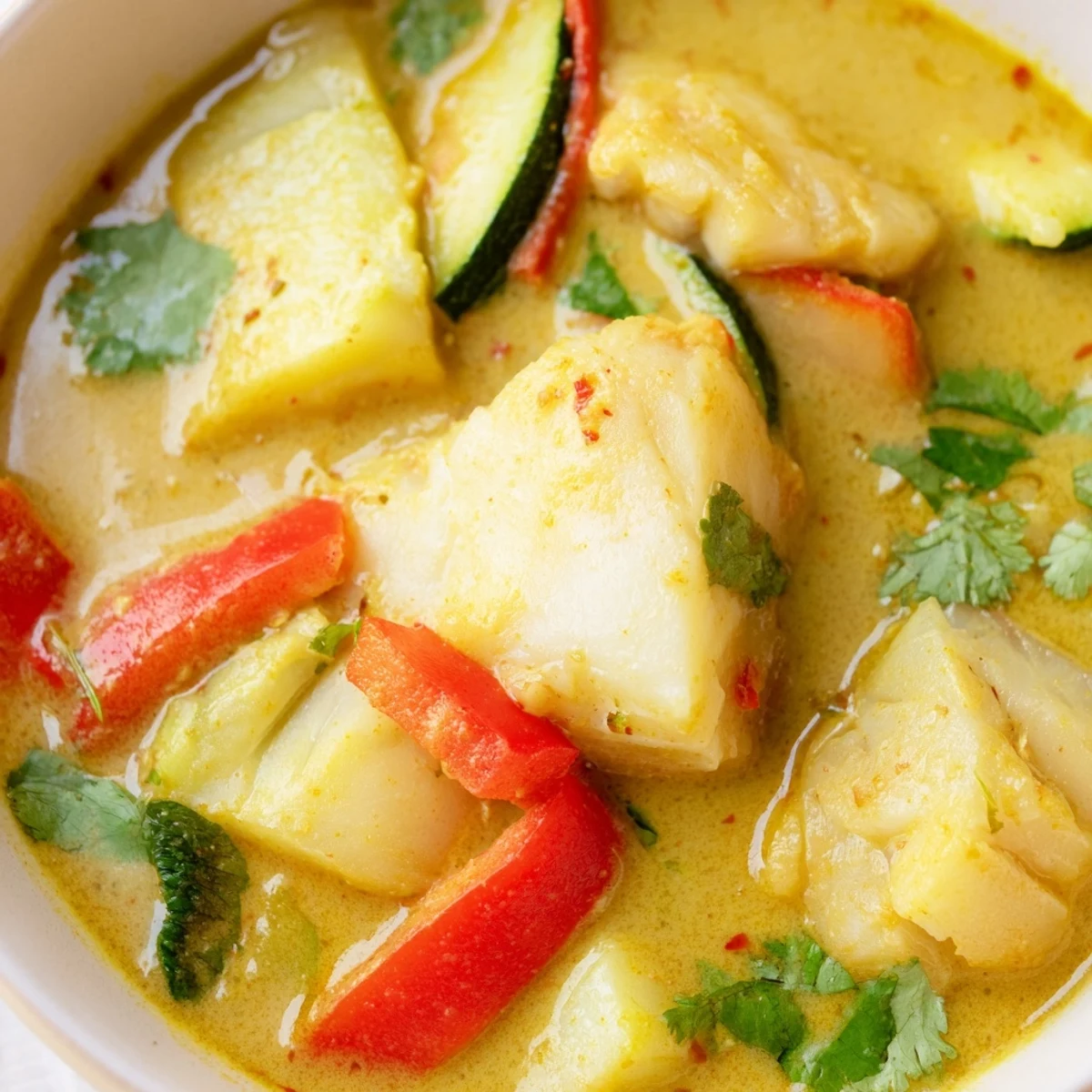
 There is something deeply satisfying about a one pot meal that feels this special and tastes this complex. I hope this stew finds its way into your regular rotation, the way it has into mine.
Recipe FAQs
- → What type of fish works best in this stew?
-
Firm white fish fillets like cod, halibut, or haddock hold their shape beautifully during simmering. These varieties have a mild flavor that complements the coconut broth without overpowering it. The key is choosing fish that won't flake apart too quickly.
- → Can I make this stew ahead of time?
-
The vegetable base reheats wonderfully and actually develops more flavor after sitting. However, add the fish just before serving rather than reheating it with the stew, as the fish can become overcooked and dry. Store the components separately and combine when ready to eat.
- → Is this stew spicy?
-
The heat level is easily adjustable. The red chilies provide moderate warmth, but you can reduce the amount or omit them entirely for a mild version. Conversely, add more chilies or leave some seeds in if you prefer a kick. The warming spices like ginger and turmeric add depth without significant heat.
- → What can I serve with coconut fish stew?
-
Steamed jasmine rice is the classic accompaniment, soaking up the flavorful broth. You could also serve over quinoa, cauliflower rice for a lighter option, or with crusty bread to mop up the coconut sauce. A simple green salad with citrus dressing balances the richness nicely.
- → Can I use frozen fish for this stew?
-
Frozen fish works perfectly well in this stew. Thaw it completely and pat it dry before marinating. Since frozen fish releases more moisture, you might need to simmer the final dish for an extra minute or two to reach the desired consistency. The quality remains excellent.
- → How do I store leftovers?
-
Store the stew in an airtight container in the refrigerator for up to 2 days. The fish will absorb more of the coconut flavor over time, which many people enjoy. Reheat gently over low heat to avoid separating the coconut milk. If the sauce seems too thick, add a splash of stock or water when reheating.