
 Pin It
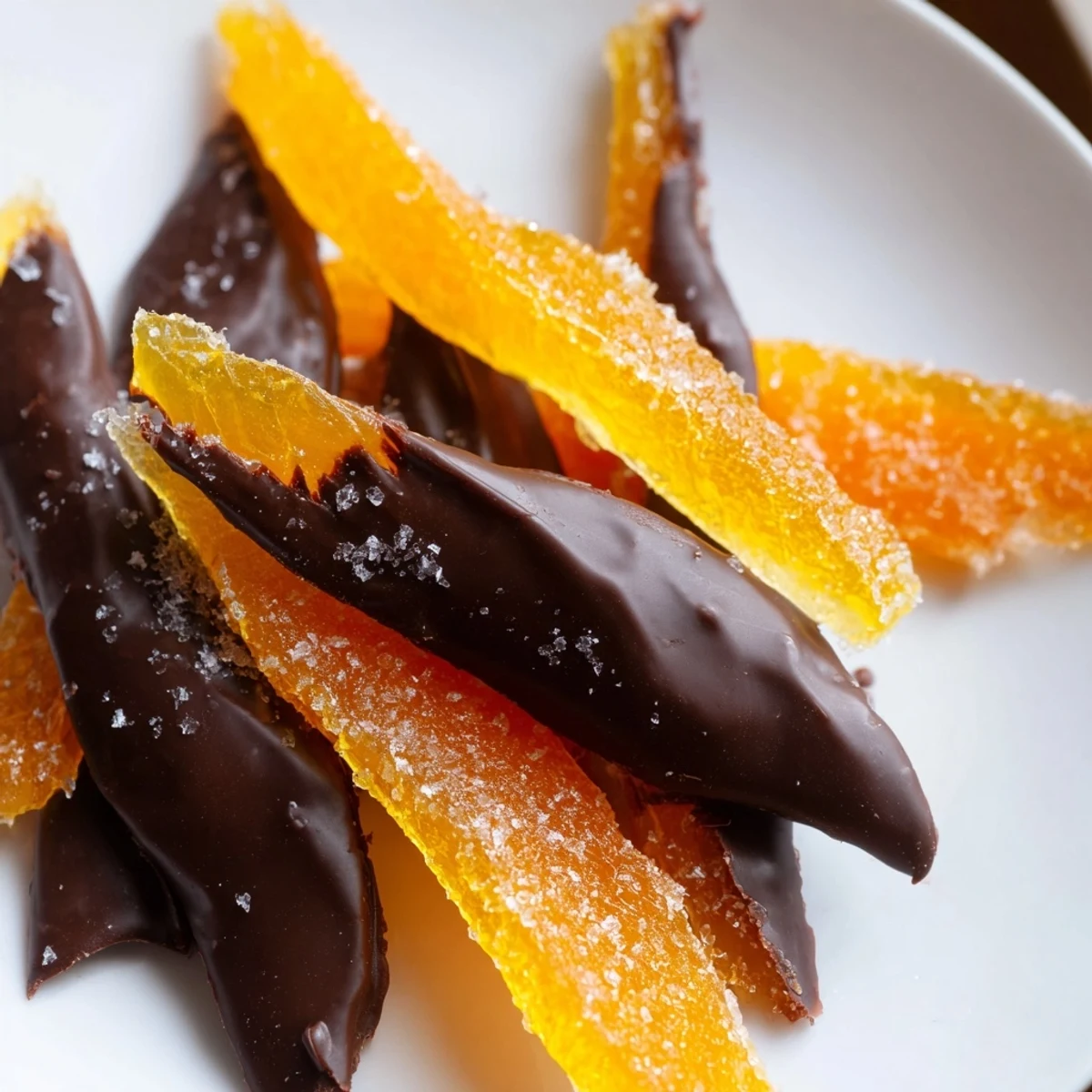
 These chocolate covered orange peels transform simple citrus into an elegant confection. Oranges are peeled, blanched to remove bitterness, then slowly simmered in sugar syrup until translucent and tender.
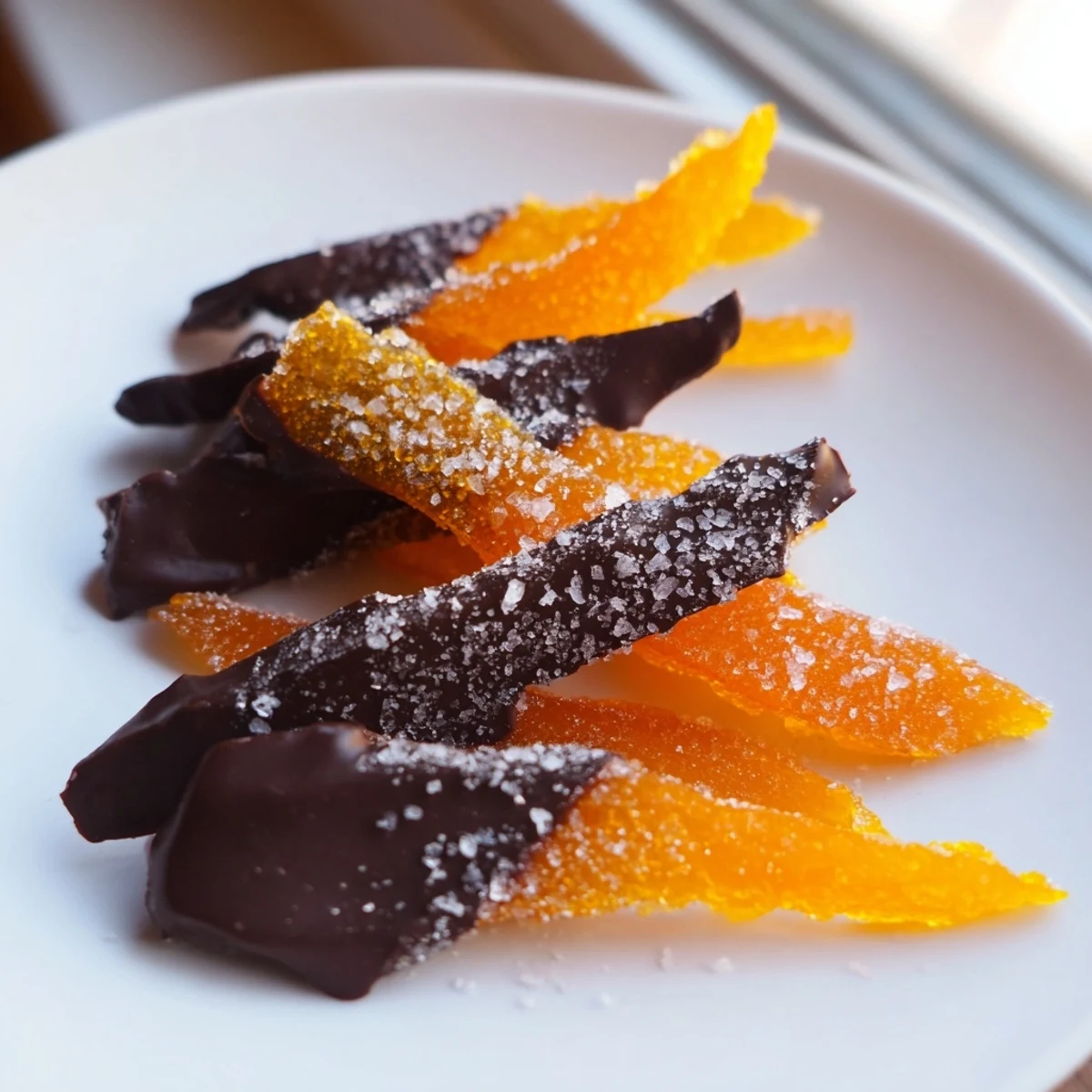
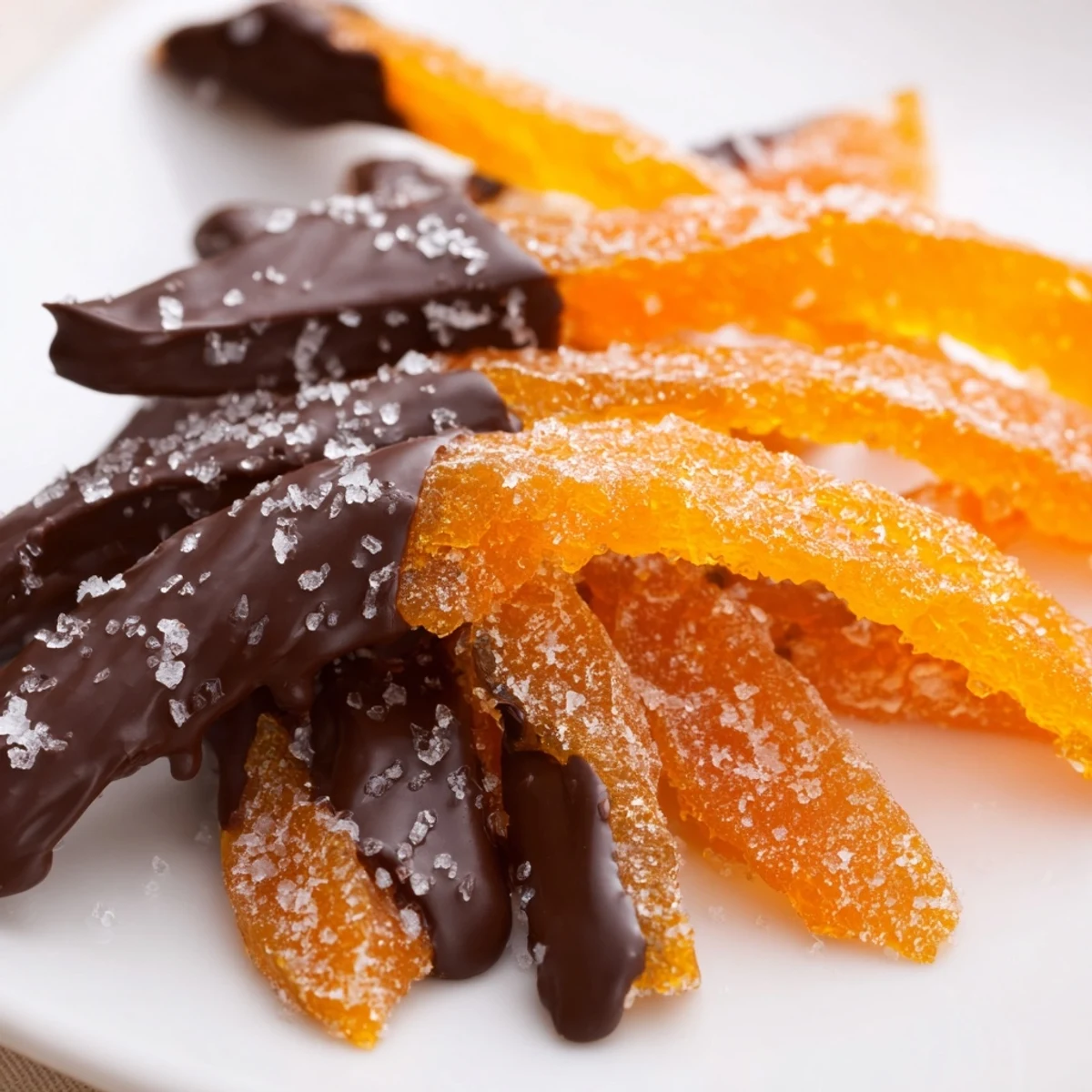
Once dried, each candied strip is dipped halfway into melted dark chocolate and left to set. A sprinkle of flaky sea salt adds a satisfying contrast. The result is a beautifully glossy, zesty-sweet treat that keeps for up to two weeks in an airtight container.
Perfect as a homemade gift, a dessert accompaniment, or an afternoon indulgence with coffee. You can also experiment with lemon or grapefruit peels for variation.
The smell of oranges simmering in sugar syrup is one of those things that fills every corner of your kitchen and refuses to leave, in the best way possible. I started making chocolate covered orange peels one December when I needed homemade gifts and had exactly zero ideas and very little budget. Three oranges and a bar of dark chocolate later, I had something that looked like it came from a fancy confectionery shop. Now I make them every year, not out of necessity, but because the process itself has become a quiet ritual I genuinely look forward to.
My friend Ana bit into one of these at a holiday party and immediately accused me of buying them from an artisan chocolate shop. I pulled out my slightly sticky saucepan as evidence and she just laughed and reached for three more.
Ingredients
- 3 large oranges: Use thick skinned navel oranges if you can find them, because a generous peel means more candy per orange and easier handling.
- 1 cup granulated sugar: Plain white sugar works best here since it lets the orange flavor shine without competing notes.
- 1 cup water: Combined with the sugar to create a simple syrup that candies the peels slowly and evenly.
- 200 g dark chocolate: Splurge on something with at least 60 percent cocoa, because the bitterness is what balances all that sugar.
- 1 tsp flaky sea salt: Completely optional but highly recommended for that addictive sweet salty finish.
Instructions
- Prep the oranges:
- Wash the oranges thoroughly under warm water, then score each peel from top to bottom in four even sections. Gently pry the peel away, keeping a thin layer of white pith attached since it helps the peels hold their shape during cooking.
- Cut into strips:
- Slice the peels into uniform strips roughly half a centimeter wide so they cook evenly and look polished once dipped in chocolate.
- Blanch three times:
- Drop the strips into a saucepan of cold water, bring it to a rolling boil for two minutes, then drain completely. Repeat this two more times and you will notice the harsh bitterness mellowing with each round.
- Make the syrup:
- Combine the sugar and water in your saucepan and bring it to a gentle simmer, stirring until every last grain dissolves and the liquid looks completely clear.
- Candy the peels:
- Add the blanched strips to the syrup and let them simmer low and slow for forty minutes, stirring occasionally so nothing sticks. The peels are ready when they turn slightly translucent and look like they are glowing from within.
- Dry the peels:
- Use tongs to lift each strip onto a wire rack set over parchment paper and let them rest for at least an hour until the surface is tacky but no longer wet.
- Melt the chocolate:
- Set a heatproof bowl over a pan of barely simmering water and stir the chocolate gently until it melts into a glossy pool with no lumps remaining.
- Dip and finish:
- Dip each candied strip halfway into the chocolate, let the excess drip back into the bowl, then place it carefully on fresh parchment. Sprinkle with flaky salt if you are using it and give them thirty minutes at room temperature to set completely.
 Pin It
 Packaging these in small cellophane bags with a handwritten label turned a simple kitchen project into the most personal gift I have ever given.
Storing Your Orange Peels
An airtight container at room temperature keeps these fresh for up to two weeks, though honestly they rarely last that long in my house. Avoid the refrigerator because condensation will dull the chocolate and make the peels sticky.
Swapping the Citrus
Grapefruit peels work beautifully and bring a sharper, more aromatic quality to the candy. Lemon peels are another lovely option with a brighter, more delicate perfume that pairs surprisingly well with milk chocolate if dark is not your favorite.
Tempering for Extra Gloss
If you want that professional shine where the chocolate catches the light, tempering is worth the extra effort even though it requires patience and a thermometer. The result looks stunning and snaps cleanly when you bite into it.
- Heat the chocolate to about 45 degrees Celsius, then cool it to 27 degrees by stirring in a handful of unmelted chopped chocolate.
- Gently rewarm it to 31 degrees and hold it there while you dip.
- Work efficiently because once tempered chocolate begins to set, reheating it too many times will undo all your careful temperature work.
 Pin It
 There is something deeply satisfying about transforming peels you would normally throw away into something genuinely beautiful. That quiet alchemy is what keeps me coming back to this recipe year after year.
Recipe FAQs
- → Why blanch the orange peels multiple times?
-
Blanching the peels three times in boiling water draws out the bitter compounds from the white pith. This ensures the final candied peels taste sweet and bright rather than harsh or astringent.
- → What type of chocolate works best for dipping?
-
High-quality dark chocolate with at least 60% cocoa content is ideal. The bitterness balances the sweetness of the candied peel. Tempering the chocolate before dipping will give a glossy, snap-like finish.
- → How long do chocolate covered orange peels stay fresh?
-
Store them in an airtight container at room temperature and they will keep well for up to two weeks. Avoid refrigerating them, as moisture can cause the chocolate to bloom and the peels to become sticky.
- → Can I use other citrus fruits besides oranges?
-
Absolutely. Lemon and grapefruit peels work beautifully with the same candying and dipping method. Grapefruit peels offer a pleasantly bitter note, while lemon peels give a sharper, more fragrant bite.
- → Do I need to remove all the white pith from the peels?
-
No, keeping a thin layer of white pith is actually desirable. It holds the peel together during simmering and contributes to the tender-chewy texture. The blanching process softens any bitterness it might add.
- → What is the best way to melt the chocolate?
-
A double boiler is the most reliable method — place a heatproof bowl over gently simmering water and stir until smooth. Alternatively, microwave in 20-second bursts, stirring between each, to avoid scorching.