
 Pin It
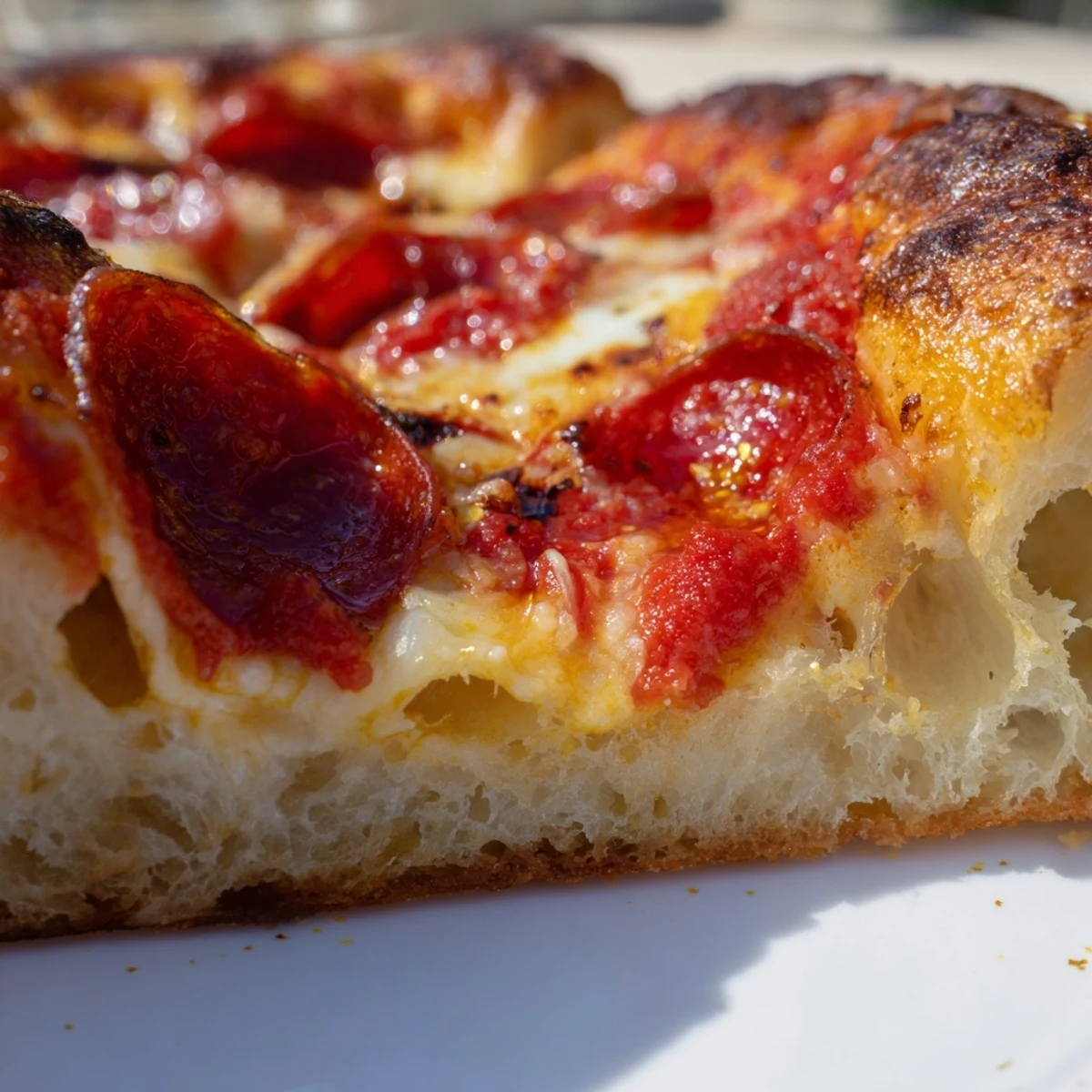
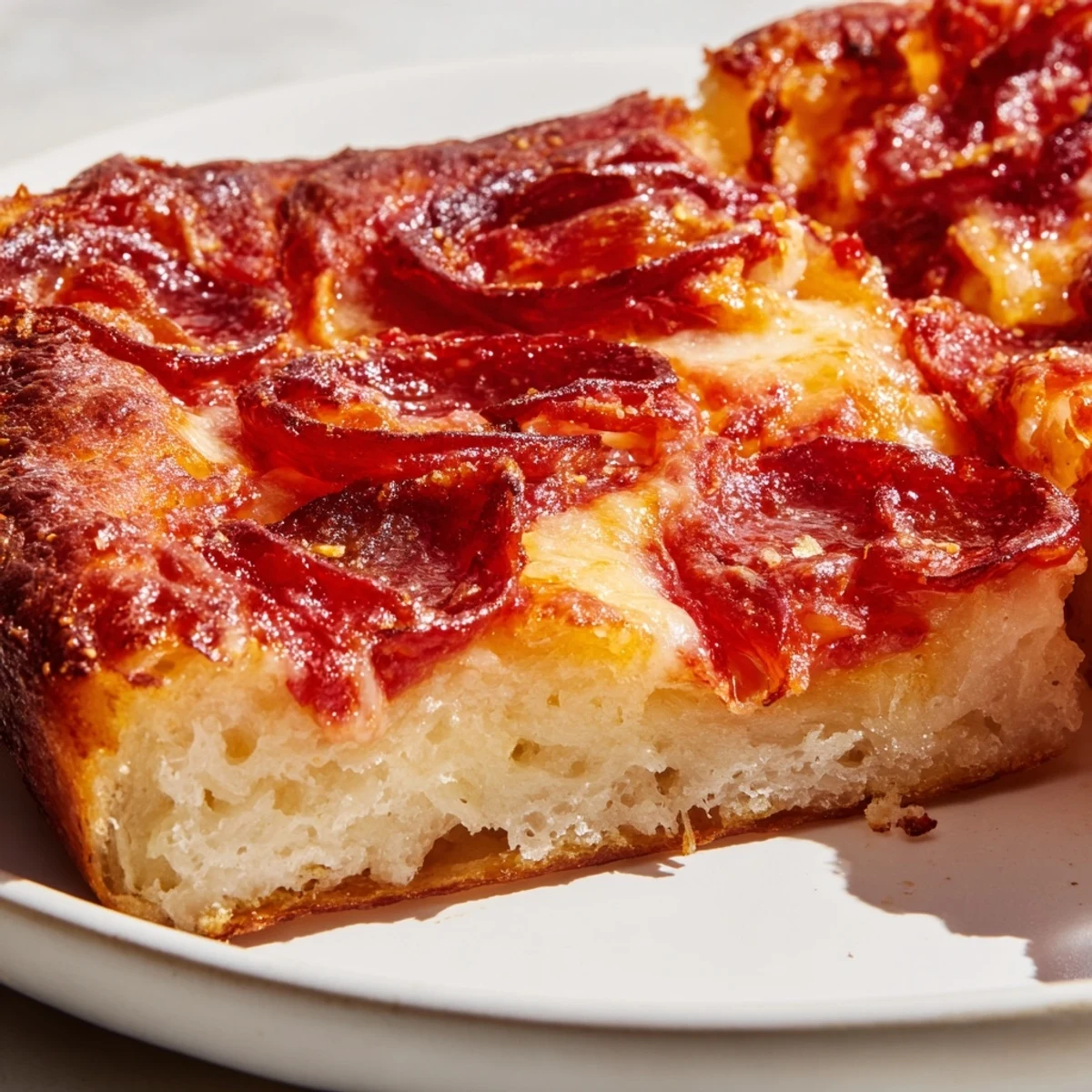
 Master the art of pan pizza with this foolproof method that delivers Restaurant-style results right from your oven. The secret lies in the butter-greased pans and high-heat baking that creates those signature crispy, golden edges while keeping the interior soft and chewy. The dough develops perfect structure through a one-hour rise, while the simple tomato sauce balances tangy and savory notes to complement the melted mozzarella.
You'll achieve that unmistakable thick crust that Pizza Hut made famous, with enough structural integrity to hold generous layers of cheese and toppings. The olive oil-brushed edges add restaurant-quality finish and extra crunch.
The smell of butter hitting a hot pan still takes me back to Friday nights when my dad would declare it was time to make the good kind of pizza. We would crowd around the oven door, watching the dough puff up against the glass like magic. Those thick, golden slices with cheese that stretched for miles became the standard by which I judged every other pizza. Now whenever I slide a pan into the oven, I am eight years old again, waiting for that first crispy bite.
I once made this for a group of friends who swore they only liked thin crust pizza. Watching them change their minds after that first golden, bubbling slice came out of the oven was pure kitchen victory. The pan method creates something entirely different, more like a savory bread that happens to be covered in cheese. Now they request it every time movie night rolls around.
Ingredients
- All-purpose flour: This creates the perfect structure for a thick crust that still has tender interior
- Active dry yeast: The leavening agent that transforms your dough into something that can double in size
- Warm water: Must be around 110°F or it will not wake up the yeast properly
- Olive oil: Adds subtle flavor and keeps the dough from becoming tough
- Unsalted butter: The secret weapon for creating that signature crispy bottom
- Canned tomato sauce: A simple base that becomes extraordinary with the right spices
- Dried oregano and basil: Classic Italian herbs that make the sauce taste like pizza sauce
- Garlic and onion powder: These layers of flavor develop that familiar pizzeria taste
- Sugar: Just enough to balance the acidity of the tomatoes
- Shredded mozzarella: The cheese that melts into that perfect bubbly golden blanket
- Pepperoni: The classic topping that cups and crisps in the high heat
Instructions
- Wake up the yeast:
- Stir together the sugar and yeast in your warm water, then walk away for five minutes until you see foamy bubbles on top
- Mix the dough foundation:
- Whisk the flour and salt in a large bowl, then pour in that bubbly yeast mixture along with your olive oil
- Build the dough structure:
- Stir until a rough shaggy dough forms, then turn it out onto a floured surface and knead for seven to eight minutes until it feels smooth and bounces back when you poke it
- Let it rise:
- Place the dough in a lightly oiled bowl, cover it, and leave it alone in a warm spot for an hour until it has doubled in size
- Prepare the pans:
- Generously grease two 9-inch round cake pans with softened butter, then brush the bottom with a little olive oil for extra insurance against sticking
- Shape the crusts:
- Divide the dough in half, press each portion into the prepared pans, and gently push the dough up the sides to create a rim
- Let them rest:
- Cover the pans and let the dough relax for 10 to 15 minutes while you preheat your oven to 450°F
- Mix the sauce:
- Combine the tomato sauce with all the dried herbs, garlic powder, onion powder, sugar, and salt and pepper to taste
- Assemble the pizzas:
- Spread half the sauce on each crust, sprinkle with cheese, add your pepperoni or other toppings, then brush the exposed crust with olive oil
- Bake to golden perfection:
- Slide those pans into the hot oven for 20 to 25 minutes until the crust is deeply golden and the cheese is bubbling with those delicious brown spots
 Pin It
 My daughter now helps me press the dough into the pans, her small hands creating perfect little fingerprints in the surface. She insists on arranging the pepperoni herself in some elaborate pattern that always ends up looking delicious anyway. These are the moments that turn dinner into memory.
Making It Ahead
The dough actually develops more flavor when it rises slowly in the refrigerator overnight. This slow fermentation gives the crust a subtle tanginess that makes it taste like it came from a professional pizzeria. Just let it come to room temperature for about 30 minutes before you press it into the pans.
Custom Toppings
Mushrooms, bell peppers, and onions should be sautéed first to remove excess moisture. Precooking vegetables prevents them from making your crust soggy and concentrates their flavor. Meat toppings like sausage or bacon should be fully cooked before they hit the pizza.
Serving Suggestions
This thick and hearty pizza pairs beautifully with an ice cold lager or a classic cola. The rich crust and generous toppings make it substantial enough to stand on its own as a complete meal. Let the pizzas rest for a few minutes after baking to make slicing easier.
- Warm serving plates in the oven for a restaurant quality touch
- Crushed red pepper flakes on the table let everyone adjust the heat level
- Extra sauce on the side for dipping those thick crust corners
 Pin It
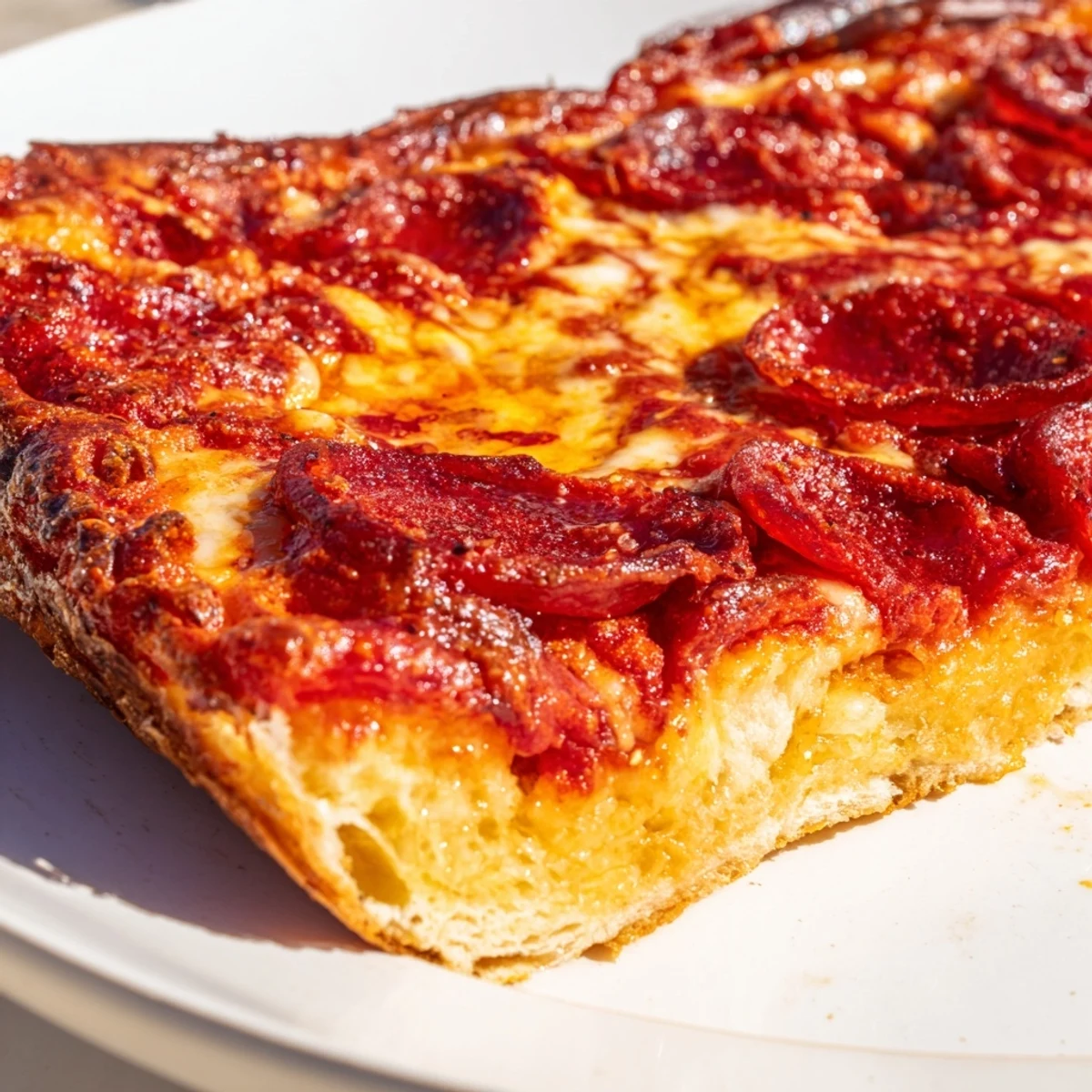
 There is something deeply satisfying about sliding a golden, bubbling pan pizza out of the oven and hearing that first crispy crackle when you slice it. This recipe has brought more joy to my table than almost any other, and I hope it does the same for yours.
Recipe FAQs
- → What makes the crust crispy?
-
The combination of butter-greased pans, high oven temperature at 450°F, and olive oil brushed on the crust edges creates maximum crispness. The dark cake pans conduct heat efficiently, while the fat promotes golden browning and texture.
- → Can I let the dough rise overnight?
-
Absolutely. Slow refrigerated fermentation develops deeper flavor complexity. After kneading, place the dough in an oiled bowl, cover tightly, and refrigerate for 12-24 hours. Let it come to room temperature for 30 minutes before shaping.
- → Why use cake pans instead of pizza pans?
-
Round cake pans with straight sides create the characteristic thick, raised edges of pan pizza. The heavy construction promotes even baking, while the depth allows dough to puff upward during baking, creating that fluffy yet substantial crust.
- → How do I prevent a soggy bottom?
-
Generously butter your pans and add a light oil coating. Preheat the oven thoroughly, and avoid overloading with sauce or watery toppings. The high initial heat sets the crust quickly before toppings release moisture.
- → Can I freeze the dough?
-
Yes. After the first rise, punch down the dough, divide into portions, wrap tightly in plastic, and freeze for up to 3 months. Thaw overnight in the refrigerator, then let come to room temperature before shaping and the final 15-minute rest.
- → What cheese works best?
-
Low-moisture part-skim mozzarella shreds melt beautifully without excess oil. For more flavor, blend with provolone or add grated Parmesan. Avoid fresh mozzarella as its high water content can make the crust soggy.